


The aroma of fresh coffee fills the air at the Pakse morning market.
Pakse, the largest city in southern Laos, serves as a gateway to the Bolaven Plateau and the Four Thousand Islands. With a population of around 100,000, it’s a bustling hub where the Mekong and Xe Don rivers meet. Travelers flock here for its rich cultural heritage, vibrant markets, and access to stunning natural landscapes. The nearby Wat Phou, a UNESCO World Heritage site, showcases the region’s historical significance.
In Pakse, explore the Bolaven Plateau’s waterfalls, visit Wat Phou, and enjoy the lively morning market for local flavors.
Key takeaways
- Visit Wat Phou, a UNESCO site, just 6 miles / 10 km away.
- Explore the Bolaven Plateau’s waterfalls, like Tad Fane, 30 miles / 48 km from Pakse.
- Enjoy local dishes at the morning market for under $5.
- Experience the vibrant night market every weekend evening.
- Sample coffee from the Bolaven Plateau, known for its quality.
Why visit Pakse
Pakse stands out as the largest city in southern Laos, serving as a gateway to the Bolaven Plateau and its stunning waterfalls. Unlike neighboring destinations like Vang Vieng and Luang Prabang, Pakse offers a unique blend of urban life and access to natural beauty, including the ancient Wat Phou temple complex. This city is a vibrant hub where local culture thrives amidst the backdrop of the Mekong River.
- Explore the Bolaven Plateau’s coffee plantations with guided tours from local operators.
- Visit Wat Phou, a UNESCO World Heritage site, for its historical significance and stunning views.
- Experience the local night market, where authentic Laotian street food is served at unbeatable prices.
- Take a boat trip on the Mekong River to see the Four Thousand Islands, often overlooked by tourists.
Best for
Culture seekers and solo travelers will appreciate Pakse’s rich heritage and relaxed pace. It’s ideal for those wanting to explore local life without the tourist crowds.
Skip if
If you’re looking for vibrant nightlife or extensive tourist amenities, consider Luang Prabang instead. Pakse is better suited for those seeking a more laid-back experience.
Top things to do in Pakse
Pakse serves as a vibrant hub for exploring the Bolaven Plateau’s rich culture and local life. Start with a visit to Wat Phou, a UNESCO World Heritage site that showcases the area’s historical significance.
1. Wat Phou ·
Explore the ancient ruins of Wat Phou, a UNESCO World Heritage site that reflects the region’s rich history.
Wander through the impressive temple complex that dates back to the 5th century, set against the backdrop of Phu Kao Mountain. The site features stunning stone carvings and offers panoramic views of the surrounding landscape, making it a perfect spot for photography and reflection.
This site stands out for its historical significance and breathtaking views, unlike other temples in the area that lack the same depth of history.
- When: Visit early in the morning or late afternoon to avoid the heat and enjoy the best light for photos, especially from November to February.
- Cost: $5, 2026
- Duration: 2-3 hours
- How to reach: Take a local bus or hire a tuk-tuk from the center of Pakse, which takes about 30 minutes along Route 13.
Solo female travel: The site is generally safe, and visiting in groups is common, especially during peak hours.
2. Bolaven Plateau Coffee Tour ·
Experience the rich flavors of Lao coffee on a guided tour of the Bolaven Plateau’s coffee plantations.
Join one of the local guide outfits for a tour that takes you through lush coffee fields, where you can learn about the coffee production process from bean to cup. Sample various brews and enjoy the stunning scenery of waterfalls and ethnic villages along the way.
This tour offers a unique taste of local culture and agriculture, unlike generic coffee shop visits in town.
- When: Book your tour during the dry season from November to April for the best weather and visibility.
- Cost: ~$30, 2026
- Duration: Half day
- How to reach: Most tours include transportation from Pakse, making it easy to join a group without worrying about logistics.
Insider tip: If closed
If tours are unavailable, visit a local café to taste the coffee and learn about its origins from the staff.
3. Tad Yuang Waterfall ·
Visit Tad Yuang, one of the most beautiful waterfalls in the Bolaven Plateau, perfect for a refreshing dip.
Hike down to the waterfall and enjoy the serene surroundings, where you can relax by the water or take a swim in the natural pool. The area is surrounded by lush greenery, making it a great spot for a picnic.
This waterfall is less crowded than others, providing a more tranquil experience compared to the popular Tad Fane.
- When: Go in the morning to enjoy the cooler temperatures and avoid afternoon crowds, especially during the rainy season from May to October.
- Cost: Free
- Duration: 2 hours
- How to reach: Take a tuk-tuk from Pakse, which takes about 45 minutes along the scenic road to the waterfall.
Solo female travel: The area is safe, but it’s best to visit during daylight hours.
4. Pakse Night Market ·
Experience local life at the Pakse Night Market, where you can sample street food and shop for handmade crafts.
Stroll through the vibrant market filled with food stalls offering local delicacies like grilled meats and sticky rice, alongside vendors selling handicrafts and souvenirs. The lively atmosphere makes it a great place to mingle with locals and other travelers.
This market provides an authentic taste of local culture, unlike touristy markets that lack genuine offerings.
- When: Visit on Friday or Saturday evenings when the market is at its busiest, from around 5 PM to 10 PM.
- Cost: ~$10 for food, 2026
- Duration: 2-3 hours
- How to reach: The market is located in the city center and is easily accessible by foot or a short tuk-tuk ride.
Solo female travel: The market is safe and well-lit, making it a comfortable place for solo female travelers.
5. Explore Champasak Village ·
Discover the charm of Champasak Village, known for its colonial architecture and laid-back atmosphere.
Wander through the village’s narrow streets, admiring the French colonial buildings and local temples. Stop by small shops and cafes to interact with locals and learn about their way of life.
This village offers a more relaxed pace compared to the bustling city, allowing for a deeper connection with local culture.
- When: Any day of the week is good, but aim for mornings to enjoy the cooler weather and quieter streets.
- Cost: Free
- Duration: 2 hours
- How to reach: Take a short bus ride or tuk-tuk from Pakse, which takes about 30 minutes.
6. Visit the Mekong River ·
Relax by the Mekong River, a perfect spot for sunset views and local life.
Find a quiet spot along the riverbank to unwind and watch the boats go by. The riverside is a popular gathering place for locals, especially during the evenings when the sunset paints the sky.
This experience offers a peaceful contrast to the busier activities, allowing for reflection and relaxation.
- When: Evenings are best for sunset views, particularly from November to February when the weather is cooler.
- Cost: Free
- Duration: 1-2 hours
- How to reach: Easily accessible by foot from the city center; just head towards the river.
Solo female travel: The area is safe and frequented by locals, making it a comfortable spot for solo travelers.
Book tours and tickets
Booking through these links supports Pack Lightly at no extra cost to you.
24 hours in Pakse
This itinerary suits culture seekers eager to explore Pakse’s heritage and local life in a single day, balancing activity with relaxation.
Morning
Start your day at the bustling Pakse Morning Market around 7:00 AM, where you can sample fresh local fruits and grab a bowl of khao piak sen, a comforting noodle soup. The market buzzes with vendors selling everything from spices to handmade crafts, giving you a taste of daily life in Pakse. After breakfast, stroll along the Mekong Riverfront, enjoying the morning light and watching local fishermen at work.
Afternoon
By noon, head to Wat Phou, a UNESCO World Heritage site, just a short drive from the city. Explore the ancient temple complex, taking in the stunning views of the surrounding landscape. Afterward, enjoy lunch at a nearby family-run restaurant, where you can try local dishes like larb and sticky rice. Spend your afternoon wandering through the charming streets of Pakse, stopping by local shops and cafes to soak in the atmosphere.
Evening
As the sun sets, make your way to the Mekong River for a scenic view. Grab dinner at a riverside eatery, where you can enjoy grilled fish and fresh vegetables while watching the sunset over the water. The evening vibe in Pakse is relaxed, with locals gathering to socialize and enjoy the cooler temperatures.
If you have a second day
If you have another day, consider a trip to the Bolaven Plateau to explore its waterfalls and coffee plantations. Alternatively, visit the Four Thousand Islands for a taste of laid-back island life.
Best time to visit Pakse
Quick answer
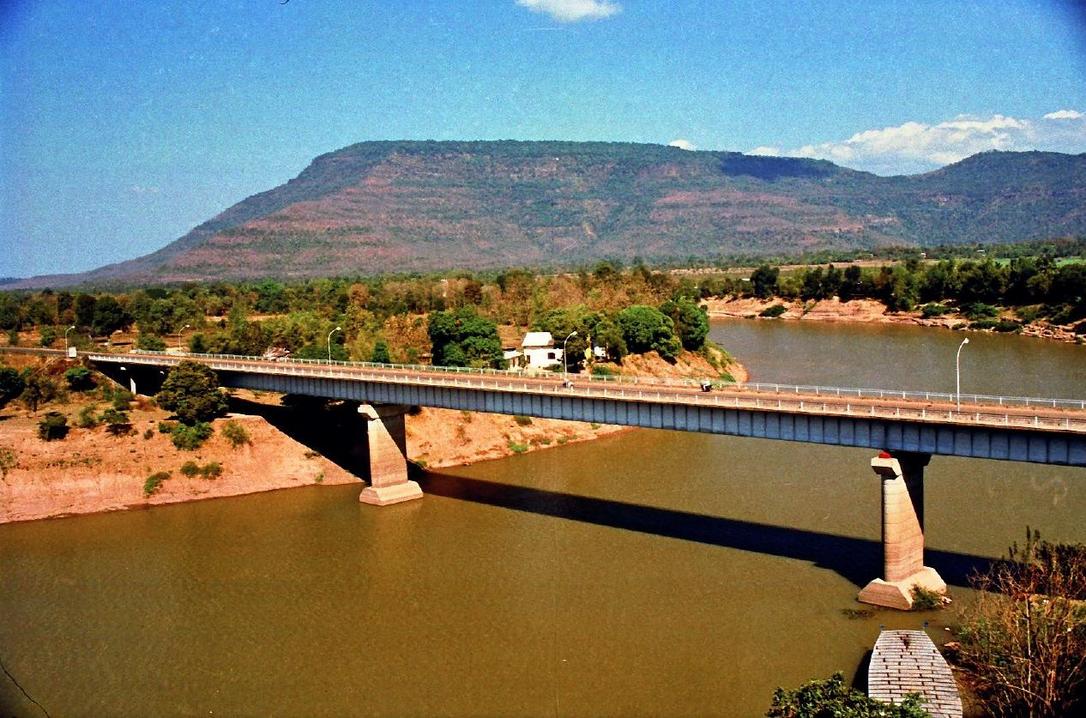
Pakse stays warm all year, so plan around rain rather than temperature: the drier, most comfortable window is Apr, Nov. Skip May-Sep unless you can handle heat and humidity plus the heaviest rain.
| Months to go | Nov-Apr |
|---|---|
| Months to avoid | May-Sep |
Pakse stays warm the whole year, roughly 75 to 85F, with little seasonal change. The bigger variable is rain, which decides how comfortable each month feels far more than temperature does.
The wet season runs Apr-Oct, averaging about 27 rainy days a month with heavy but usually short downpours. The drier, easier stretch is Dec-Feb, when skies stay clear for longer and outdoor plans hold up better.
Average temperature (°F)
Monthly weather
Hot but mostly dry
Hot but mostly dry
Very hot, seek shade
Very hot, seek shade
Hot and humid
Hot and humid
Hot and humid
Hot and humid
Hot and humid
Hot and humid
Hot but mostly dry
Hot but mostly dry
Time it around
Crowds and prices climb in Dec-Mar. For similar conditions with fewer people, aim for Apr, Nov.
How to get to Pakse
Nearest airport
Pakse International Airport (PKZ), about 5 miles / 8 km from the city center
From the airport
Take the official airport shuttle or a metered taxi for around $7-$10, 2026; the shuttle departs from the arrivals area and is the easiest, most reliable option. Avoid unlicensed taxis waiting outside; booking the shuttle at the airport counter guarantees a fair price and direct drop-off in town.
Other ways to arrive
- Vientiane, Laos by bus, roughly 10-12 hours, $20-$30, 2026
- Champasak (near Wat Phou) by minivan, about 1.5 hours, $5-$8, 2026
- Ubon Ratchathani, Thailand by bus and border crossing, 3-4 hours, $15-$25, 2026
Getting around Pakse
Motorbike taxis dominate short trips inside Pakse, but renting a motorbike offers freedom to explore surrounding villages and the Bolaven Plateau. Tuk-tuks work well for groups or short rides, though negotiate fares upfront.
- Motorbike taxi – use for quick trips within town, expect $1-$2 per ride, 2026
- Motorbike rental – rent for $8-$12 per day, 2026, ideal for day trips outside Pakse
- Tuk-tuk – best for airport transfers or group travel, fares start at $5, 2026
- Bicycle rental – limited availability, good for short rides near the riverfront, around $4 per day, 2026
Avoid
Avoid renting cars unless experienced with rough rural roads; many dirt routes and limited signage make driving challenging.
Day trips from Pakse
Pakse serves as the gateway for cultural and natural day trips that deepen your understanding of southern Laos beyond the city.
Wat Phou Temple Complex (Champasak Province)
Explore one of Laos’ oldest Khmer temple sites with riverside views and rich history.
Why: Visiting Wat Phou from Pakse lets you avoid overnight stays in Champasak town and combines well with a visit to nearby ethnic villages.
Bolaven Plateau
Discover coffee plantations, waterfalls, and ethnic minority villages in the cooler uplands.
Why: The plateau offers a cultural contrast to Pakse’s urban scene with hands-on visits to local craftspeople and markets.
Skip if: Not interested in rural culture or long drives
Don Khong Island (Si Phan Don / Four Thousand Islands)
Experience rural Mekong life, riverine landscapes, and traditional fishing communities.
Why: Don Khong’s slower pace and village life provide a counterpoint to Pakse’s city bustle without an overnight stay.
Skip if: Limited time or prefer cultural sites over nature
Combine Pakse with
Pakse fits naturally into southern Laos itineraries focused on cultural heritage and rural life.
7-day Southern Laos cultural loop Vientiane → Pakse → Bolaven Plateau → Wat Phou → Si Phan Don
This route flows southward along major cultural sites and rural landscapes, minimizing backtracking and allowing paced exploration of heritage and village life.
10-day Laos and northeast Thailand border circuit Vientiane → Pakse → Ubon Ratchathani (Thailand) → Si Phan Don → Champasak
Crossing into Thailand from Pakse adds regional context, with easy transport links and complementary cultural experiences on both sides of the Mekong.
5-day Mekong river heritage trip Pakse → Wat Phou → Don Khong → Don Det
Focus on Mekong river culture and heritage sites, using Pakse as the transport hub to access island communities and ancient temples.
Getting from Pakse
Where to stay in Pakse
Compare prices across booking sites on the map below and see which neighbourhood fits your plans.
Pakse offers a mix of accommodations that cater to various traveler types. The central area near the Mekong River is popular for its walkability and access to local eateries, while quieter neighborhoods like Ban Phonexay provide a more relaxed atmosphere.
Budget – Central Pakse
Hostels and guesthouses dominate the budget tier, providing basic amenities and a chance to meet fellow travelers. Expect shared facilities and a lively atmosphere, but limited privacy.
Insider tip: Look for places with a communal kitchen to save on meals.
Mid-range – Near the Mekong River
Family-run guesthouses and boutique hotels offer comfort and local charm, often featuring breakfast and personalized service. These places strike a balance between affordability and quality.
Insider tip: Request a room with a river view for a peaceful stay.
Where not to stay
Avoid the area near the bus station, as it can be chaotic and lacks charm.
Solo female travelers
Choose a guesthouse in the central area for better lighting and a friendly atmosphere.
Book your stay
Booking through these links supports Pack Lightly at no extra cost to you.
Where to eat and drink in Pakse
Pakse’s food scene is distinct, heavily influenced by the nearby Bolaven Plateau, known for its coffee and fresh produce. Expect to find dishes that highlight local ingredients like river fish and unique cooking styles that reflect the area’s cultural diversity.
Must-try dishes
Larb (ลาบ)
A spicy minced meat salad, typically made with beef or fish, mixed with herbs, lime juice, and roasted rice powder.
Insider tip: Try it at lunchtime when it’s freshly made and served with sticky rice.
Khao Piak Sen (ข้าวเปียกเส้น)
A comforting noodle soup made with rice noodles, herbs, and often topped with chicken or beef.
Insider tip: Visit early in the morning for the best and freshest bowls.
Tam Mak Hoong (ตำมะขาม)
A spicy papaya salad made with shredded green papaya, lime, chili, and often fermented fish sauce.
Insider tip: Ask for it spicy to experience the full flavor!
Local drinks
- Lao CoffeeAny local café or coffee shop in the city center.
Rich, dark coffee often brewed with sweetened condensed milk. - Beer LaoMost restaurants and bars throughout Pakse.
A popular local lager known for its crisp taste.
How to eat like a local in Pakse
Lunch is the main meal of the day, so aim to eat between 12:00 PM and 2:00 PM when local kitchens are bustling with fresh dishes. Many places close in the afternoon and reopen for dinner, so plan accordingly.
Daily budget for Pakse
Pakse offers a mix of affordability and tourist pricing due to its role as a transport hub for the Bolaven Plateau. Expect slightly higher costs for activities and dining compared to other areas in Laos.
Shoestring
- lodging – dormitory bed in a guesthouse
- food – street food and local eateries
- transport – local buses or shared tuk-tuks
- activities – entry fees to local sites
- buffer – small expenses
Trade-offs: You’ll miss out on comfort and convenience, opting for basic lodging and meals.
Comfort
- lodging – private room in a guesthouse
- food – mix of local restaurants and cafes
- transport – occasional taxi or private transport
- activities – guided tours or experiences
- buffer – small expenses
Trade-offs: You sacrifice some local authenticity for a more comfortable stay.
Splurge
- lodging – upscale hotel or boutique guesthouse
- food – fine dining or specialty restaurants
- transport – private transfers or tours
- activities – premium experiences or guided tours
- buffer – small expenses
Trade-offs: You give up budget flexibility, opting for premium experiences and accommodations.
Money-saver tip
Use local buses instead of taxis for airport transfers – it costs around $2 compared to $10 for a taxi.
Splurge that’s worth it
Book a guided tour to the Bolaven Plateau waterfalls – the insights and access to hidden spots enhance the experience significantly.
Skip to save
Avoid the overpriced river cruises marketed to tourists; instead, explore the Mekong by renting a kayak locally.
Practical tips for Pakse
Money
| Cash or card | Cash is essential in Pakse, as many places do not accept cards. |
|---|---|
| ATMs | ATMs are available in town and generally work with foreign cards, but expect withdrawal fees. |
| Tipping | Tip around 10% in restaurants; for example, if your meal costs $10, leave $1. |
Safety
Pakse is relatively safe for travelers, but petty crime can occur, especially in crowded areas.
Local warnings:
- Watch for sandflies near the rivers, especially at dusk.
Connectivity
| Mobile data | Mobile data coverage is good in Pakse; consider getting a local SIM from Lao Telecom. |
|---|---|
| Wi-Fi | Most cafes and accommodations offer free Wi-Fi, but speeds can vary. |
Language
| Main language | Lao |
|---|---|
| English level | English is spoken in tourist areas, but proficiency varies among locals. |
Cultural notes
| Dress modestly when visiting temples; shoulders and knees should be covered. |
| Always ask permission before taking photos of people. |
Solo female travel
Pakse is generally welcoming for solo female travelers, with a friendly local attitude.
| Neighborhood | Stay in the historic center for easy access to amenities and attractions. |
|---|---|
| Transport | Use Grab for safe and reliable transport at night. |
| Meeting people | Visit local cafes like Cafe Sinouk, known for its relaxed atmosphere and friendly patrons. |
Frequently asked questions about Pakse
1Is Pakse worth visiting?
Yes – Pakse serves as a gateway to the Bolaven Plateau and the Four Thousand Islands, offering unique cultural experiences and stunning landscapes.
2How many days do you need in Pakse?
Roughly 2-3 days is ideal. Spend the first day exploring the city, the second day visiting Wat Phou, and the third day for the Bolaven Plateau.
3What is the rainy season in Pakse?
The rainy season in Pakse typically runs from May to October, with the heaviest rainfall occurring in September and October.
4Where is the nearest airport to Pakse?
Pakse International Airport (PKZ) is just 3 miles / 5 km from the city center, making it very accessible for travelers.
5Is Pakse safe for solo female travelers?
Yes – Pakse is generally safe for solo female travelers, especially in well-populated areas like the city center and during the day.
6What is the food like in Pakse?
Pakse offers a mix of Laotian and Thai cuisine, with local specialties like khao soi and various noodle dishes available at street stalls and markets.
7Can you swim in the Mekong River in Pakse?
Skip it – swimming in the Mekong River is not recommended due to strong currents and potential pollution.
Hero image: Adam Carr of English Wikipedia (Public domain), via Wikimedia Commons. Other photos via Unsplash and Wikimedia Commons.