


Lush jungles echo with the calls of gibbons while vibrant hill-tribe cultures thrive nearby.
Nam Et-Phou Louey National Park and Nam Ha National Protected Area stand out as premier destinations, showcasing Laos‘ commitment to wildlife conservation and cultural preservation. These protected areas offer immersive trekking experiences through pristine landscapes.
These are the 12 best protected areas in Laos, a mix of national parks and national protected areas, picked for how easy they are to reach and how much they reward the trip. Access rules and crowd levels vary a lot between them, so expect remote areas with limited infrastructure and prepare for a genuine wilderness experience.
Key Takeaways
- Nam Ha requires multi-day trekking permits.
- Expect quiet trails in Nam Et-Phou Louey.
- Bokeo Nature Reserve needs three-month advance booking.
- Best months for parks are Nov-Mar.
- Plan for limited infrastructure in remote areas.
- Dong Phou Vieng offers community-based treks.
- Prepare for wildlife spotting at night in Nam Et.
Which of these parks are actually worth your time?
Focus on Nam Et-Phou Louey National Park and Nam Ha National Protected Area for immersive wildlife experiences and cultural interactions. Both offer excellent trekking opportunities with minimal crowds. Skip areas like Phou Xang He National Protected Area and Phou Hin Poun National Protected Area unless specifically interested in specialized wildlife tracking. They lack the accessibility and overall appeal of the top picks.

Overview Table
This table summarizes key details about each protected area in Laos, national parks and national protected areas alike.
| Park | Region | Size (km2) | Best months | Crowds | Verdict |
|---|---|---|---|---|---|
| Nam Ha National Protected Area | Luang Namtha Province | 2224 | Nov-Mar | quiet | Anchor your trip here |
| Phou Khao Khouay National Protected Area | Vientiane and Bolikhamxai Provinces | 1805 | Nov-Mar | quiet | Worth a detour |
| Nam Et-Phou Louey National Park | Houaphanh Province | 1810 | Nov-Mar | quiet | Anchor your trip here |
| Xe Pian National Protected Area | Champasak and Attapeu Provinces | 2351 | Nov-Mar | quiet | Worth a detour |
| Nakai-Nam Theun National Park | Khammouane and Bolikhamxai Provinces | 3689 | Nov-Mar | quiet | Only for committed trekkers |
| Bokeo Nature Reserve | Bokeo Province | 1230 | Nov-Jan | quiet | Plan ahead to visit |
| Hin Namno National Protected Area | Khammouane Province | 820 | Dec-Mar | quiet | Only for caving enthusiasts |
| Dong Hua Sao National Protected Area | Champasak Province | 1100 | Nov-Mar | quiet | Combine with Tad Fane |
| Phou Hin Poun National Protected Area | Khammouane Province | 1500 | Nov-Mar | quiet | Skip unless nearby |
| Nam Kading National Protected Area | Bolikhamxai Province | 1690 | Nov-Mar | quiet | Commit to a multi-day trip |
| Phou Xang He National Protected Area | Savannakhet Province | 1090 | Dec-Mar | quiet | Only for biodiversity-focused trips |
| Dong Phou Vieng National Protected Area | Savannakhet Province | 1970 | Nov-Mar | quiet | Best community-based trek |
Where these parks are
Explore Laos’ National Protected Areas
The 12 protected areas in this guide are profiled and rated here, focusing on how to experience the wilderness and wildlife while avoiding tourist traps. The evaluation centers on immersive wildlife encounters and trekking opportunities, ideal for offgrid adventurers seeking authentic experiences.
Nam Ha National Protected Area, Luang Namtha Province
Verdict
Nam Ha is essential for serious trekkers looking for authentic cultural interactions and dense jungle experiences. Skip it if you prefer day hikes or comfortable lodges.
Nam Ha National Protected Area spans 2,224 km² of dense jungle, offering multi-day treks through hill-tribe villages like Akha, Lisu, and Hmong. Expect to hike 5-6 hours daily with overnight homestays, navigating unmarked trails under the guidance of local experts. This is not a commercialized experience; it’s a true adventure.
Located near Luang Namtha, the park is quieter than many tourist spots. Access requires planning, as treks are typically organized through local guides. Visit from November to March for the best conditions, but be prepared for challenging hikes and limited facilities.
- Region: Luang Namtha Province
- Area: 2224 km2
- Best time: November to March
- Crowds: quiet
Wildlife to look for: gibbons · hornbills · wild elephants · endemic birds
What to do: hike the Upper Nam Ha Trek · explore the Hill Village Circuit · engage with local communities · navigate unmarked trails
Why it earns the detour:
- 2,224 km² of pristine jungle with diverse flora and fauna.
- Authentic hill-tribe homestays enhance the trekking experience.
- Multi-day treks provide immersive engagement with nature.
- Wildlife sightings include rare species like gibbons and wild elephants.
- Minimal tourism infrastructure ensures a genuine adventure.
Insider tip
Book treks well in advance, especially during peak months.
Phou Khao Khouay National Protected Area, Vientiane and Bolikhamxai Provinces
Verdict
Phou Khao Khouay offers accessible day hikes and waterfalls, making it a solid option for those not ready for serious trekking. Skip it if you seek ultra-remote experiences.
This 1,805 km² park features limestone forests and cascading waterfalls, providing a more developed trekking experience than Nam Ha. Day hikes range from 5 to 8 hours, looping through scenic valleys and forested areas. The park is ideal for those looking for a mix of nature and accessibility.
Located between Vientiane and the Plain of Jars, Phou Khao Khouay is less visited, offering a quieter alternative. Basic facilities are available at the small visitor center, and the best time to visit is from November to March when the weather is dry.
- Region: Vientiane and Bolikhamxai Provinces
- Area: 1805 km2
- Best time: November to March
- Crowds: quiet
Wildlife to look for: elephants · gibbons · hornbills · various endemic birds
What to do: hike the Waterfall Loop Trail · explore the Ridge Hike · swim in emerald pools · enjoy nature photography
Why it earns the detour:
- 1,805 km² of diverse limestone forest with stunning waterfalls.
- Day hikes provide a balance of accessibility and immersion.
- Basic visitor facilities enhance the trekking experience.
- Wildlife sightings include elephants and gibbons.
- Less crowded than Nam Ha, making it ideal for peaceful exploration.
Insider tip
Consider overnight homestay treks for a deeper experience.

Nam Et-Phou Louey National Park, Houaphanh Province
Verdict
Nam Et-Phou Louey is a must for wildlife enthusiasts interested in night safaris. Skip daytime visits, as the main attraction is after dark.
This 1,810 km² park is famous for its guided night safaris, allowing small groups to spot nocturnal animals like gibbons, wild boar, and various birds. The unique experience of walking through the forest after dark with headlamps sets this park apart from others.
Access is possible from Sam Neua or the Nong Khiaw area, taking 4-6 hours. While the park has basic facilities, it remains remote and less frequented by tourists. The best time to visit is from November to March for optimal wildlife viewing.
- Region: Houaphanh Province
- Area: 1810 km2
- Best time: November to March
- Crowds: quiet
Wildlife to look for: gibbons · wild boar · hornbills · nocturnal birds
What to do: participate in a Wildlife Night Safari · hike the Forest Day Trek · spot wildlife at dawn · explore local ecosystems
Why it earns the detour:
- Night safaris provide unique wildlife viewing opportunities.
- Gibbons can often be heard calling at dawn.
- Regular sightings of wild boar and hornbills enhance the experience.
- A basic eco-lodge serves as a comfortable base.
- The remote location ensures a quieter, less commercialized visit.
Insider tip
Focus on night safaris for the best wildlife encounters.

Xe Pian National Protected Area, Champasak and Attapeu Provinces- Region: Champasak and Attapeu Provinces
- Area: 2351 km2
- Best time: November to March
- Crowds: quiet
Verdict
Xe Pian is a solid choice for those seeking waterfall trekking and wildlife in southern Laos. Skip it if you require extensive tourist infrastructure.
This 2,351 km² park features limestone forests and cascading waterfalls, offering several trekking options through diverse landscapes. Waterfall loops of 6-8 hours provide a good mix of hiking and nature immersion, making it less frequented than northern parks.
Located south of the Bolaven Plateau, Xe Pian is accessible from Pakse, which is about a 3-4 hour drive away. The park has basic facilities at a small visitor center, and the best time to visit is from November to March for dry conditions.
- Region: Champasak and Attapeu Provinces
- Area: 2351 km2
- Best time: November to March
- Crowds: quiet
Wildlife to look for: various species of birds · wild elephants · gibbons · banteng
What to do: hike the Waterfall Trekking Loop · explore the Plateau Rim Hike · enjoy bird watching · visit local villages
Why it earns the detour:
- 2,351 km² of limestone forest with beautiful waterfall cascades.
- Diverse trekking options cater to different skill levels.
- Wildlife habitat supports various species, including elephants.
- Plateau views from hikes offer scenic panoramas.
- Easily accessible from Pakse, making it a convenient option.
Insider tip
Combine waterfall hikes with village visits for a richer experience.

Nakai-Nam Theun National Park, Khammouane and Bolikhamxai Provinces- Region: Khammouane and Bolikhamxai Provinces
- Area: 3689 km2
- Best time: November to March
- Crowds: quiet
Verdict
Nakai-Nam Theun is only for the most committed adventurers seeking remote exploration. Skip it if you aren’t prepared for serious trekking.
As Laos’ largest protected area at 3,689 km², Nakai-Nam Theun is virtually untouched and requires serious commitment. The Nam Theun River runs through pristine forest, home to abundant wildlife including gibbons and Asiatic black bears. Multi-day river trekking is the primary way to explore this remote area.
Access is challenging, and few tour operators venture here. Arrangements must be made through local guides in Thakhek or directly with the park. Visit from November to March for stable weather and better trekking conditions.
- Region: Khammouane and Bolikhamxai Provinces
- Area: 3689 km2
- Best time: November to March
- Crowds: quiet
Wildlife to look for: gibbons · Asiatic black bears · banteng · various endemic species
What to do: embark on the Nam Theun River Trek · navigate through dense forest · spot rare wildlife · camp under the stars
Why it earns the detour:
- 3,689 km² of pristine forest, the largest park in Laos.
- The Nam Theun River offers unique multi-day trekking opportunities.
- Abundant wildlife sightings, including gibbons and bears.
- Virtually no tourism infrastructure ensures a genuine wilderness experience.
- Requires serious planning and physical fitness for exploration.
Insider tip
Contact the park directly for trek arrangements well in advance.
Bokeo Nature Reserve, Bokeo Province- Region: Bokeo Province
- Area: 1230 km2
- Best time: November to March
- Crowds: quiet
Verdict
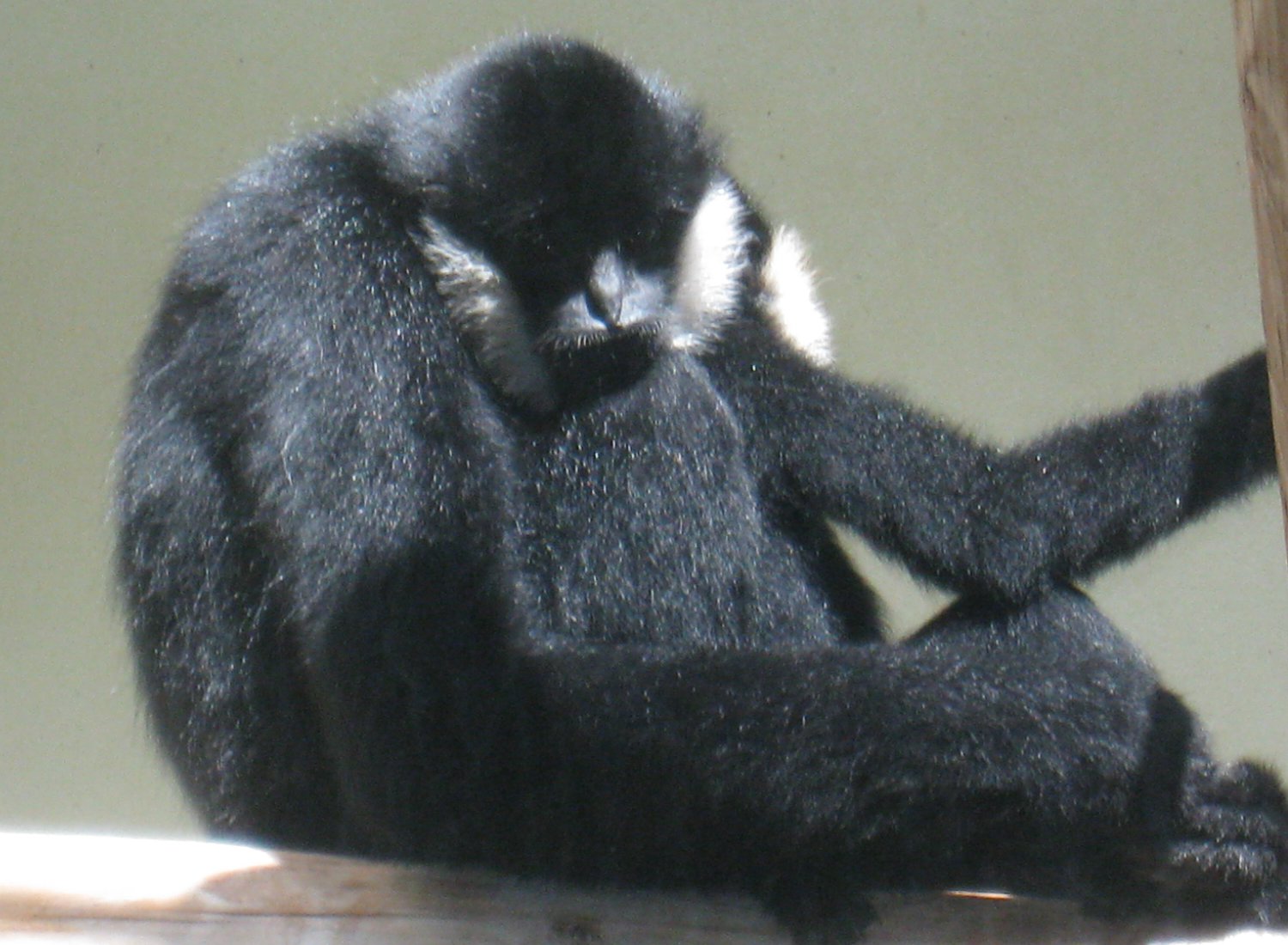
Bokeo Nature Reserve is perfect for those seeking a unique experience with the Gibbon Experience. Book well in advance or skip it entirely.
The reserve features primary forest where the Black-cheeked Gibbon was rediscovered. The Gibbon Experience combines 2-3 day treks with zipline traverses and overnight stays in treehouses 40 meters above the ground. This is the only way to visit the reserve, providing a thrilling adventure.
Due to high demand, bookings should be made three months in advance during peak season. Day-trip access is not available, making this a unique commitment for adventurous travelers.
- Region: Bokeo Province
- Area: 1230 km2
- Best time: November to March
- Crowds: quiet
Wildlife to look for: Black-cheeked gibbons · various endemic birds · banteng · wild elephants
What to do: participate in the Gibbon Experience · zipline through the canopy · hike through primary forest · stay overnight in treehouses
Why it earns the detour:
- Home to the Black-cheeked Gibbon, a rare species.
- Unique zipline experience offers a thrilling way to explore.
- Treehouse accommodations provide a unique overnight stay.
- The only access method ensures a focused conservation effort.
- Requires advance booking due to high demand.
Insider tip
Choose the Classic tour over the Express for a better experience.
Hin Namno National Protected Area, Khammouane Province- Region: Khammouane Province
- Area: 820 km2
- Best time: November to March
- Crowds: quiet
Verdict
Skip this park unless you’re a serious caver. The Xe Bang Fai river cave offers a unique experience, but it requires commitment and expertise.
Hin Namno is a remote karst and cave wilderness, famous for the Xe Bang Fai river cave, which is the world’s largest river-cave passage by volume. This park is perfect for experienced adventurers looking for a true underground challenge. Expect to paddle through total darkness for a thrilling 7-km journey.
Located on the Vietnam border, access is primarily through Ban Nong Ping, and permits are necessary. The park remains quiet, making it ideal for those seeking solitude. Be prepared for a lack of infrastructure and ensure you have the right gear for caving.
- Region: Khammouane Province
- Area: 820 km2
- Best time: November to March
- Crowds: quiet
Wildlife to look for: rare bats · cave-dwelling fish · various insects · tropical flora
What to do: explore the Xe Bang Fai river cave · paddle in total darkness · camp near cave entrances · photograph unique geological formations
Why it earns the detour:
- Experience one of the wildest caving adventures on the planet.
- Access to unexplored cave systems adds to the thrill.
- The park’s remote location ensures minimal crowds.
- Perfect for those with caving experience looking for a challenge.
- Rich geological features make it a unique destination.
Insider tip
Plan your visit around a guided caving tour to maximize safety and experience.
Dong Hua Sao National Protected Area, Champasak Province- Region: Champasak Province
- Area: 1100 km2
- Best time: November to March
- Crowds: quiet
Verdict
This park is worth visiting for its unique coffee culture and waterfall views. Ideal for those who enjoy trekking and local interactions.
Dong Hua Sao features stunning wet evergreen forests and the impressive Tad Fane waterfalls. The area is perfect for trekking, especially if combined with a visit to local Katu villages. Experience the thrill of walking through lush landscapes while learning about coffee cultivation.
Located on the Bolaven Plateau, access is best arranged through operators in Pakse. The park remains quiet, allowing for an immersive experience. Be aware that infrastructure is limited, so plan for basic accommodations and ensure you have a guide for trekking.
- Region: Champasak Province
- Area: 1100 km2
- Best time: November to March
- Crowds: quiet
Wildlife to look for: gibbons · langurs · various bird species · tropical plants
What to do: trek to Tad Fane waterfalls · visit local coffee plantations · engage with Katu villagers · explore the forest trails
Why it earns the detour:
- Home to the breathtaking twin waterfalls of Tad Fane.
- Experience local coffee culture firsthand.
- Less tourist infrastructure means a more authentic experience.
- Great for multi-day treks with local guides.
- Wildlife spotting opportunities in dense forests.
Insider tip
Combine your trek with a coffee tasting session at a local plantation for a unique experience.
Phou Hin Poun National Protected Area, Khammouane Province- Region: Khammouane Province
- Area: 1500 km2
- Best time: November to March
- Crowds: quiet
Verdict
Skip this park unless you’re specifically interested in its geology or planning an overnight cave experience. It’s not a casual visit.
Phou Hin Poun is characterized by its striking limestone karst formations and the Tham Kong Lor cave, a 7-km river cave that is best explored at dawn. The park’s geology is the main attraction, with towering pinnacles and unique landscapes that are perfect for photography.
Access is primarily through the Thakhek Loop, and most visitors see the park from the road without entering. For a deeper experience, arrange a guided overnight stay at Ban Konglor to explore the cave before the tour boats arrive. Expect a quiet atmosphere and limited facilities.
- Region: Khammouane Province
- Area: 1500 km2
- Best time: November to March
- Crowds: quiet
Wildlife to look for: various bat species · birds of prey · rare insects · tropical plants
What to do: explore Tham Kong Lor cave · photograph karst landscapes · experience local village life · enjoy quiet nature walks
Why it earns the detour:
- The Tham Kong Lor cave offers a unique underground experience.
- Geological features are impressive and worth exploring.
- Limited access means fewer tourists and more solitude.
- Ideal for those interested in geology and cave systems.
- Overnight stays provide a chance to experience the park at dawn.
Insider tip
Stay overnight at Ban Konglor to beat the day-trippers and enjoy the cave in peace.
Nam Kading National Protected Area, Bolikhamxai Province- Region: Bolikhamxai Province
- Area: 1690 km2
- Best time: November to March
- Crowds: quiet
Verdict
This park is ideal for adventurous travelers seeking a unique river experience. Commit to a multi-day trip for the best experience.
Nam Kading features dense evergreen forests and is known for its rich biodiversity, including several globally threatened species. The turquoise Khoun Kong Leng spring at the park’s edge is a popular day-trip destination, but the real adventure lies within the park’s depths.
Access is primarily by boat from Ban Na Hin, and multi-day camping trips are available through local guides. Expect a quiet atmosphere, perfect for those looking to escape the crowds. Be prepared for a commitment to fully experience the park’s offerings.
- Region: Bolikhamxai Province
- Area: 1690 km2
- Best time: November to March
- Crowds: quiet
Wildlife to look for: tigers · gaurs · douc langurs · various bird species
What to do: camp along the Nam Kading River · explore the turquoise spring · spot wildlife on river trips · engage with local communities
Why it earns the detour:
- Home to diverse wildlife, including tigers and rare primates.
- Turquoise spring is a stunning day-trip destination.
- Multi-day trips offer immersive experiences with local guides.
- The park’s remoteness ensures minimal tourist traffic.
- Ideal for those seeking adventure and nature immersion.
Insider tip
Book a guided multi-day trip to fully explore the park and its wildlife.
Phou Xang He National Protected Area, Savannakhet Province- Region: Savannakhet Province
- Area: 1090 km2
- Best time: November to March
- Crowds: quiet
Verdict
Skip this park unless you are specifically tracking saola or Eld’s deer. It lacks accessibility and general appeal for most travelers.
Phou Xang He is primarily a savanna and dry-dipterocarp forest area, known for being one of the last refuges for the endangered Eld’s deer and the elusive saola. The park has no tourist infrastructure, making visits challenging and mainly suited for researchers or dedicated wildlife trackers.
Access is limited and typically requires special permits or arrangements from the Phin district. Expect a quiet environment, but be prepared for a lack of facilities and support. This park is not recommended for casual visitors.
- Region: Savannakhet Province
- Area: 1090 km2
- Best time: November to March
- Crowds: quiet
Wildlife to look for: Eld’s deer · saola · various bird species · unique flora
What to do: track rare wildlife · photograph unique ecosystems · engage in biodiversity research · explore the surrounding areas
Why it earns the detour:
- Home to the endangered Eld’s deer and the rare saola.
- Limited access ensures a quiet and undisturbed environment.
- Best suited for dedicated wildlife trackers and researchers.
- Not recommended for casual tourism due to lack of infrastructure.
- A biodiversity hotspot for those with specific interests.
Insider tip
Only visit if you have a specific research interest or connection to wildlife tracking.
Dong Phou Vieng National Protected Area, Savannakhet Province- Region: Savannakhet Province
- Area: 1970 km2
- Best time: November to March
- Crowds: quiet
Verdict
This park offers the best community-based trekking experience in southern Laos. Ideal for those seeking cultural immersion and local interactions.
Dong Phou Vieng is a dry-forest reserve home to the Brou ethnic group. The park features community-based eco-treks that allow visitors to experience local life while trekking through sacred forests. This is a unique opportunity to engage with local culture and enjoy authentic village stays.
Access is best arranged through operators in Phin, where you can join multi-day treks that connect Brou villages. The park remains quiet, providing an intimate experience with the community. Expect to walk on trails used by locals, not tourist paths.
- Region: Savannakhet Province
- Area: 1970 km2
- Best time: November to March
- Crowds: quiet
Wildlife to look for: various bird species · small mammals · insects · local flora
What to do: participate in eco-treks · stay in Brou villages · learn about local traditions · explore sacred forest areas
Why it earns the detour:
- Best community-based trekking experience in southern Laos.
- Engage directly with the Brou ethnic group and their culture.
- Trails are authentic and used by locals, enhancing the experience.
- Minimal tourist presence allows for deeper connections.
- Funds from treks support local community initiatives.
Insider tip
Choose a trek that includes village stays for the most immersive experience.
Other protected areas worth knowing
Beyond the 12 profiled above, Laos protects several more areas that rarely make it into trip planning but round out the picture of how the country manages its wilderness.
- Phou Xieng Thong National Protected Area, in Champasak Province along the Mekong, known for its riverside cliffs and mixed deciduous forest.
- Nam Poui National Protected Area, in Xayaboury Province, one of the larger reserves in the north with elephant habitat.
- Phou Dendin National Protected Area, in Phongsaly Province near the Vietnam and China borders, remote highland forest with limited visitor access.
- Phou Loei National Protected Area, in Houaphanh Province next to Nam Et-Phou Louey, a smaller buffer reserve with similar limestone terrain.
When to go, and what to do if your dates are fixed
Timing is crucial for visiting Laos’ National Protected Areas, as the best months can significantly affect your experience. The dry season offers optimal trekking conditions, while the rainy season may limit access to certain areas. Understanding these seasonal dynamics helps maximize the adventure.
The dry season, and why it is busy
November to March
This period provides the most favorable weather for trekking and wildlife spotting, attracting more visitors. Expect higher crowds, especially in popular parks like Nam Ha and Phou Khao Khouay. To avoid the busiest times, plan visits during weekdays and early in the season, ideally in November or March.
The rainy season, and its challenges
April to October
While the rainy season can deter some tourists, it also brings lush landscapes and fewer crowds. However, heavy rains may lead to trail closures and difficult trekking conditions. If traveling during this time, focus on parks that are less affected by rain and consider shorter hikes or alternative activities.
Navigating crowd dynamics
Avoid local holidays and weekends when domestic tourism peaks, as parks can become crowded. Instead, aim for mid-week visits during the dry season for a more serene experience. Be aware that foreign tourist peaks often align with the dry season, so planning for less popular months can yield a quieter trip.
Some links on this page are affiliate links. We may earn a small commission at no extra cost to you when you book through them.