


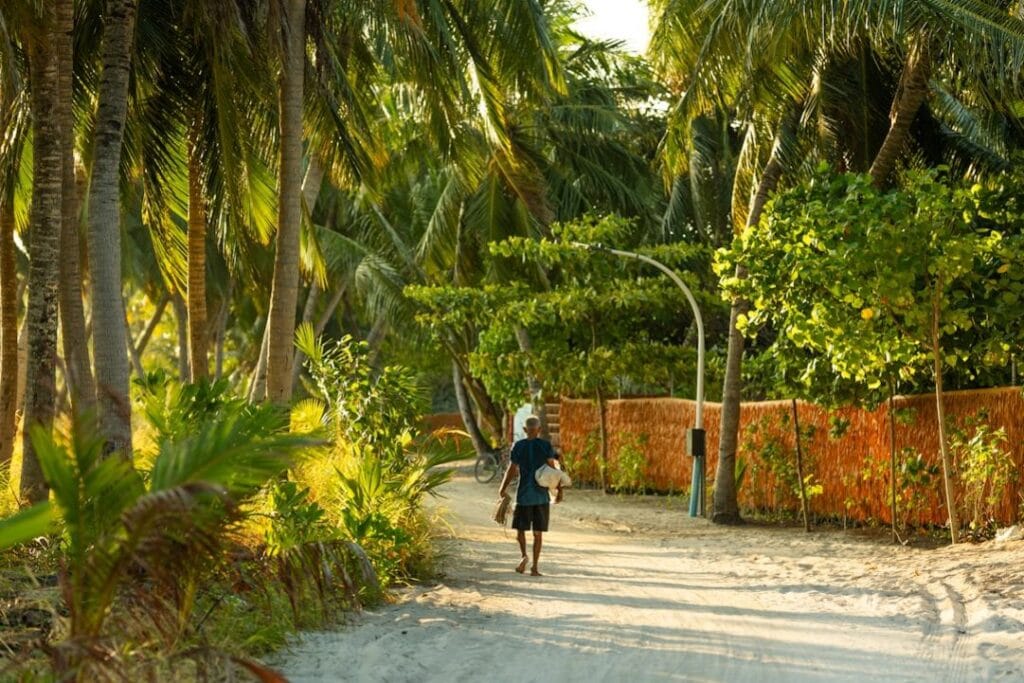
Maldives offers some of the most consistent reef and point breaks in the Indian Ocean, but it’s not for the faint-hearted or casual surfer. Prepare for serious waves.
The Maldives’ coastline is a tapestry of atolls and islands, where warm water and coral reefs create a diverse surf landscape. From the legendary Pasta Point to the remote Yin Yang, each break offers a unique challenge. The swell predominantly arrives from the southwest, especially during the March to October monsoon, shaping a surf culture rooted in precision and respect. Expect water temperatures around 28°C year-round, making wetsuits optional for most. The country’s surf scene is geared toward experienced surfers chasing big, hollow waves, but there are spots like Pizza Point and Chickens that welcome intermediates. Crowds are manageable outside peak season, but local etiquette remains strict – respect the reef and line-up rules at every break.
Surfing here means paddling into powerful reef and point breaks, with wave heights often reaching head-high to overhead, and occasionally double overhead during swell peaks. The reef bottoms are sharp, so skill and control are essential. Expect water temps around 28°C, so boardshorts and rash guards suffice most of the year. Spots like Honky’s and Jailbreaks serve advanced surfers, while Pizza Point and Vodi are suitable for beginners and intermediates. Crowds are generally light outside the busy months, but local customs demand respect – avoid dropping in and always follow the line-up etiquette. If you’re after serious reef breaks and swell timing, Maldives delivers; if you’re learning, choose your spots carefully.
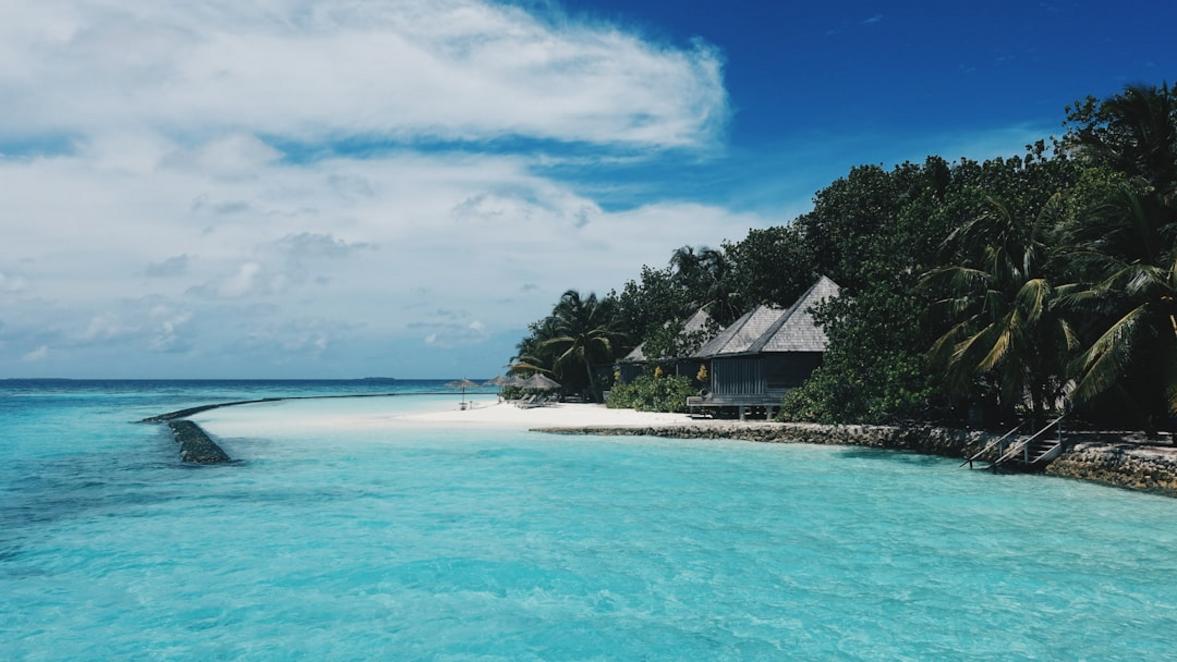
Top Surfing Tips for Maldives
- Peak surf season runs from March to October, with swell windows best from May to September for consistent waves.
- Water is warm year-round, so a rash guard or boardshorts are enough; wetsuits are rarely needed outside the coldest months.
- Beginners should stick to Pizza Point and Vodi, while advanced surfers chase Jailbreaks and Yin Yang for bigger, hollow waves.
- Crowds are minimal outside the main season, but respect local etiquette – avoid dropping in and keep your distance at popular breaks like Sultans.
- Lessons and gear rentals are inexpensive and easy to find on most islands, especially near main surf hubs like Malé and Thulusdhoo.
- The main hazard is sharp coral reef, especially at Cokes and Jailbreaks – paddle with control and avoid walking on reef flats.
- Stay in Malé or Thulusdhoo for quick access to multiple breaks, minimizing travel time and maximizing surf hours.
Maldives Surf Spots Comparison
| Surf spot | Region | Level | Break | Best months |
|---|---|---|---|---|
| Chickens | North Malé Atoll | Intermediate | Reef break | Mar – Oct |
| Honky’s | North Malé Atoll | Intermediate | Reef break | Mar – Oct |
| Cokes | North Malé Atoll | Advanced | Reef break | Mar – Oct |
| Jailbreaks | North Malé Atoll | Advanced | Reef break | Mar – Oct |
| Sultans | North Malé Atoll | Intermediate | Reef break | Mar – Oct |
| Lohi’s | North Malé Atoll | Intermediate | Reef break | Apr – Oct |
| Riptides | North Malé Atoll | Intermediate | Reef break | Mar – Oct |
| Vodi | Southern Atoll | Intermediate | Reef break | Mar – Oct |
| Pizza Point | North Malé Atoll | Beginner | Reef break | Mar – Oct |
| Ninja’s | North Malé Atoll | Intermediate | Reef break | Mar – Oct |
| Pasta Point | North Malé Atoll | All levels | Left-hand reef | Mar – Oct |
| Yin Yang | Laamu Atoll | Advanced | Right-hand reef | Mar – Oct |
Where the surf spots are
The surf spots
Chickens – Powerful Reef Break for Intermediates
Chickens offers a fast, powerful reef wave that demands respect. The reef bottom is sharp and unforgiving, producing thick, hollow waves that peel over coral. It’s suited for confident intermediates who can handle quick, steep sections. Beginners should avoid this spot, as the reef and wave speed pose significant risks. The wave holds up well on a south-west swell, especially at mid to high tide, providing long, barreling rides for those who know the line-up. Expect a serious challenge for those unfamiliar with reef breaks.
Getting inAccess Chickens via a short boat ride from the main island or paddle from the nearby beach. Rental boards are available, but ensure they are suitable for reef riding. Check local surf shops for gear and advice before paddling out. Consider hiring a guide if unfamiliar with reef entry points.
Watch outBeware of the sharp coral reef bottom, which can cause cuts or injuries. Strong rip currents run along the reef, pulling surfers out of position. The wave can close out quickly, especially on larger swells, making paddle-outs more hazardous.
Local tipPaddle out early in the morning to avoid the crowd and secure a better position on the reef.
Honky’s – Long, Peeling Reef for Intermediates
Honky’s features a long, peeling reef wave that offers fun rides for intermediates. The reef is relatively forgiving compared to more challenging spots, with a gentle takeoff and a long wall that allows for multiple turns. The wave breaks over coral, but the bottom is less sharp than at Chickens. It’s best on a south-west swell during mid to high tide, providing a consistent, manageable wave. Suitable for surfers progressing from beginner to intermediate, but not for complete novices or experts seeking heavy barrels.
Getting inReach Honky’s by boat or paddle from the main island’s beach. Boards can be rented locally; opt for a mid-length or funboard. No formal lessons are necessary, but local guides can help with entry points if unsure. Check with local operators for current conditions.
Watch outWatch for coral patches just below the surface, especially on the inside section. Rip currents can form along the reef, pulling paddlers out of position. The wave can get crowded during peak hours, so early mornings are best.
Local tipUse a longer board here to maximize the long rides and avoid getting caught inside on the shallow reef.

Cokes – Challenging Hollow Reef for Advanced Surfers
Cokes is a demanding reef break with hollow, powerful waves that break over sharp coral. The wave is fast and steep, with sections that barrel tightly – ideal for experienced surfers seeking serious tube rides. It’s best during a south-west swell at mid to high tide, when the wave holds its shape. The reef bottom is exposed in some areas, increasing the risk of injury. Only confident, skilled surfers should paddle out here, especially in larger swells or on crowded days.
Getting inAccess Cokes by boat from the main island or paddle from nearby beaches with reef access. Boards should be short and responsive; a high-performance shortboard is recommended. Be cautious entering the water – local guides can assist with safe entry points. No beginner gear or lessons are suitable here.
Watch outThe reef is extremely sharp and can cause cuts or injuries. The wave’s speed and power make it dangerous for those not experienced with reef breaks. Rip currents and shallow sections add to the hazard.
Local tipScout the wave early in the day to find the best takeoff zone and avoid the crowds that gather at the peak.
Jailbreaks – Fast, Hollow Reef for Intermediate Surfers
Jailbreaks delivers fast, hollow waves over a shallow reef, creating a serious challenge for intermediates. The wave is quick to form and offers sections that barrel tightly, demanding precise positioning. It’s best during a south-west swell at mid to high tide, when the wave holds its shape and provides longer rides. The reef bottom is sharp, so paddlers need good control and confidence. Beginners should stay clear – this spot is for those ready to push their limits.
Getting inReach Jailbreaks by boat or paddle from the main island. Use a responsive shortboard; rental shops nearby can supply suitable gear. Local guides are recommended for safe entry and exit points, especially in larger swells. No beginner lessons here.
Watch outSharp reef bottom and fast-breaking sections make this spot risky for inexperienced surfers. Rip currents can pull surfers into shallow areas quickly. The wave can close out unexpectedly, especially on bigger swells.
Local tipPaddle out early to avoid the crowd and secure a spot on the peak, where the wave is most consistent.
Sultans – Consistent Right Reef for Intermediates
Sultans is a classic right-hand reef break with consistent, well-shaped waves. The reef bottom is stable, producing long, rideable walls that suit intermediates looking to improve. The wave prefers a south-west swell and mid to high tide for optimal shape. It’s often crowded, especially in the mornings, but offers reliable conditions and multiple sections. The reef is shallow in some spots, so control is essential. It’s a good step up from beginner spots, but not for those seeking heavy barrels.
Getting inAccess Sultans by boat or paddle from the main island. Use a versatile shortboard or funboard; rentals are available locally. Arrive early to beat the crowds and find the best peak. Guides can help with entry points if unfamiliar with the reef.
Watch outShallow reef patches can cause cuts; stay alert. The wave can close out on larger swells, and crowded line-ups increase the risk of collisions. Rip currents are present along the reef edge.
Local tipPosition yourself on the inside corner of the reef for longer rides and fewer surfers.
Lohi’s – Long Rides on Reef for Intermediates
Lohi’s offers long, peeling reef waves that reward good positioning. The reef is relatively flat, producing a consistent wall suitable for intermediates working on their technique. The wave holds up best during the surf season from April to October, especially on a south-west swell at mid to high tide. The bottom is coral but less sharp than at other reef spots, making it more accessible. It’s less crowded than Sultans, but still popular among locals and visitors alike.
Getting inReach Lohi’s by boat or paddle from nearby beaches. Use a mid-length or funboard for longer rides; rentals are common. Early mornings are best to avoid the crowd, and guides can assist with safe entry points. No beginner gear recommended.
Watch outCoral patches are present just below the surface, so control is key. Rip currents can form along the reef, pulling paddlers into shallow areas. The wave can close out on larger swells, so timing is crucial.
Local tipPaddle out during the early morning hours for smoother conditions and fewer surfers in line-up.
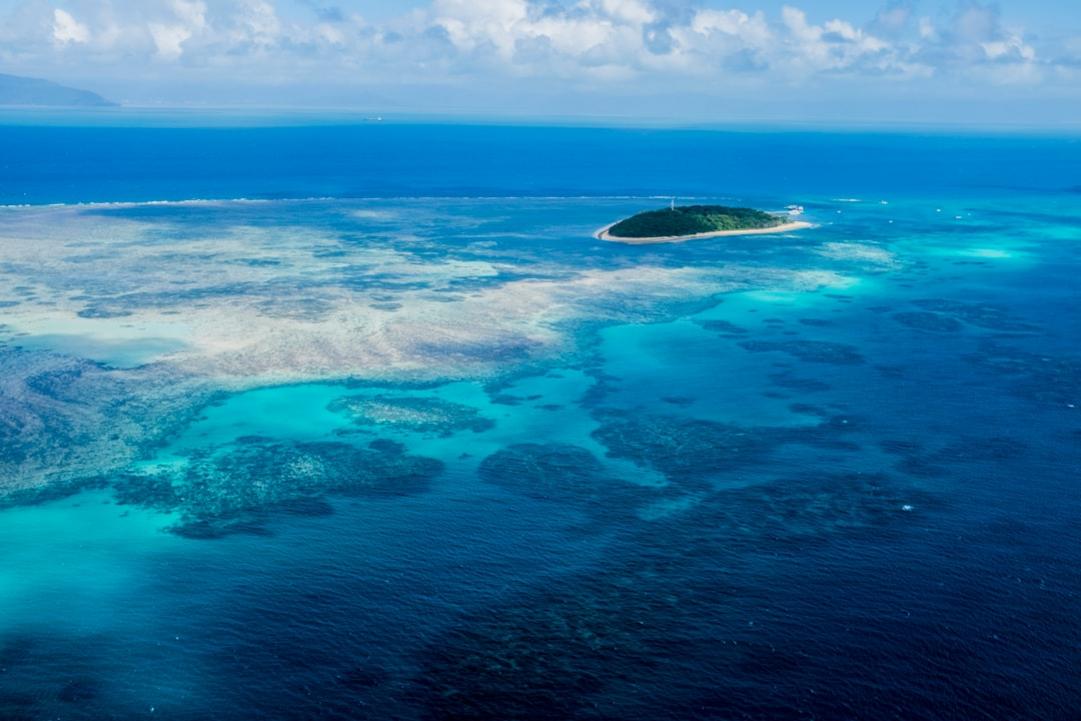
Riptides – Challenging reef break for intermediates during monsoon
Riptides features powerful, fast-breaking waves over a sharp coral reef. The wave offers demanding rides with sections that can close out quickly, making it suitable for confident intermediates. Beginners will find the reef dangerous, especially at higher swell. The spot is exposed and can be tricky in cross-shore winds, requiring precise timing and skill to avoid injury.
Getting inAccess via boat from nearby Malé or a long paddle from the beach. Surfboards can be rented locally, but expect a basic selection. Check with local operators for boat transfers and lessons.
Watch outSharp coral bottom, strong rip channels, and occasional currents can catch paddlers off guard. Be cautious during larger swells, as the wave can break unexpectedly over the reef.
Local tipPaddle out early in the morning to avoid the crowd and enjoy cleaner, less chaotic waves.
Vodi – Quiet reef break perfect for intermediates on southern island
Vodi sits on a remote southern island, offering consistent, well-shaped waves over a coral reef. The spot is less crowded, ideal for surfers looking to escape the crowds. The wave is fast and hollow, demanding good paddling and positioning. It’s best on mid to high tide with a moderate swell. The reef bottom is sharp, so caution is essential, especially in bigger surf.
Getting inReach via boat from the main island or resort transfer. Boards are available for rent, but selection is limited. Expect a paddle of 10 – 15 minutes from the boat to the reef.
Watch outCoral reef bottom, strong rip currents, and occasional boat traffic near the line-up. Be alert during larger swells, as the wave can close out quickly.
Local tipVisit during weekdays for the best conditions and fewer surfers.
Pizza Point – Mellow reef break ideal for beginners and intermediates
Pizza Point offers gentle, peeling waves over a coral reef, perfect for learning and progressing. The inside section provides long rides for intermediates, while the outside is more forgiving for beginners. The reef is shallow in parts, so keep your head up. The wave is best during the southwest monsoon, with a steady swell and manageable size.
Getting inAccessible from the main island via boat or paddle from the beach. Rentals are straightforward, with beginner boards available. Expect a 5 – 10 minute paddle to the reef.
Watch outShallow reef bottom, occasional coral heads, and a small rip current near the channel. Be cautious during bigger swells, as the wave can break over shallow sections.
Local tipSurf early in the day to avoid the midday crowd and enjoy cleaner conditions.
Ninja’s – Fast, hollow reef break for intermediates during peak months
Ninja’s delivers quick, hollow waves over a sharp coral reef, creating thrilling rides for experienced intermediates. The wave is fast and powerful, with sections that can barrel. It’s best during peak surf months with a solid swell. The reef is exposed and can be dangerous if not respected, especially in larger surf or cross-shore winds.
Getting inAccess by boat from Malé or nearby resorts; paddle-in is possible but challenging. Boards are available locally, with some surf schools operating Find a surf tour →.
Watch outCoral reef bottom, strong rips, and the risk of hold-downs in the barrel. Be prepared for a quick paddle back after each wave.
Local tipAim for the early morning session to avoid the crowds and get cleaner, less chaotic waves.
Pasta Point – Exclusive resort reef break with long, hollow walls
Pasta Point is the Maldives’ most controlled, resort-exclusive wave, with long, hollow walls ideal for advanced surfers. The left-hand reef offers multiple sections, with a consistent swell during the peak season. The wave is powerful and demanding, with a shallow reef bottom that punishes mistakes. Access is limited to resort guests or boat outside the lineup. It’s a serious wave for experienced surfers only.
Getting inReach via boat from Cinnamon Dhonveli Resort or other nearby resorts. Boards are available on-site, but check with the resort for access and conditions. Find a surf tour → can be arranged.
Watch outShallow reef bottom, strong rips, and the potential for hold-downs. Only attempt in good conditions with local guidance.
Local tipReserve your spot early in the season; the wave is most consistent from March to October.
Yin Yang – Heavy, hollow right-hander on Laamu’s outer reef
Yin Yang is Laamu Atoll’s heaviest wave, with long, powerful right-hand walls over a remote reef. The wave can barrel and is suited for experienced surfers chasing serious size. It’s accessed only via boat from Six Senses Laamu or dedicated surf charters, making it a one-week mission. The swell window from March to October delivers consistent, heavy surf, but the wave demands respect and skill.
Getting inBoat transfer from Six Senses Laamu or surf charter. Boards are carried on the boat; no rentals on-site. Expect a 30-minute boat ride to reach the reef.
Watch outHeavy reef bottom, strong rips, and the risk of hold-downs. Only surf here in good conditions with local guidance due to the remote location.
Local tipPlan your trip around the Laamu swell window; this wave is not for casual surfers.
Learning to Surf in the Maldives
Surf schools in the Maldives focus mainly on intermediate surfers, with limited options for absolute beginners. The reef breaks dominate the scene, so expect lessons to emphasize safety around coral and wave selection. Beginners should be realistic about starting conditions and look for spots with gentler waves and sandy bottoms nearby.
Where Beginners Should Start
Pizza Point is the Maldives’ most forgiving reef break, offering mellow waves suitable for beginners and intermediates during the southwest monsoon. It provides longer rides with less power, making it ideal for a first session. Resorts near Malé also offer access to sandy beach breaks for absolute beginners, but reef breaks like Pizza Point remain the safest controlled environment to learn here.
Surf Schools and Board Rentals
Most surf schools and board rentals cluster around Malé and nearby resort islands in North Malé Atoll. These locations offer the best access to beginner-friendly spots like Pizza Point and intermediate reef breaks. Schools tend to operate seasonally, focusing on the March to October swell window, with equipment rentals available but limited outside main hubs.
Choosing a Surf School
Prioritize schools with a low instructor-to-student ratio, ideally 1:6 or less, to ensure personalized attention. Confirm instructors hold recognized certifications and that boards are well-maintained, especially given the coral reef environment. Expect honest level assessments – schools here won’t push beginners into advanced reef breaks like Jailbreaks or Yin Yang.
- Verify instructor-to-student ratio is 1:6 or smaller
- Check for recognized instructor certification
- Inspect board condition for reef-safe features
- Confirm lesson includes reef safety briefing
- Ask about lesson location and wave suitability
- Ensure availability of rash guards or wetsuits

Trip Logistics for Surfing the Maldives
Bringing a Board vs Renting Locally
Bringing a board is possible but cumbersome due to multiple domestic ferry transfers and boat rides between atolls. Rentals are common around Malé and resort islands, but quality varies. Expect to rely on boats and ferries for island transfers, as no roads connect the atolls. Renting locally saves hassle but requires early booking during peak season.
Typical Surf Trip Costs
A surf lesson costs approximately $70 USD, while daily board rental runs around $50 USD. Budget about $65 USD per day for food, transport, and incidentals. Resort-exclusive breaks like Pasta Point add a premium, so factor in higher accommodation costs if targeting those waves.
Etiquette and Safety in Maldivian Line-ups
Localism is low but respect for priority and wave etiquette is strict, especially at crowded reef breaks like Sultans and Jailbreaks. Reef cuts are the main hazard – wear reef booties and avoid paddling out at low tide. Strong currents and rip channels exist near Ninja’s and Riptides; know the exit points before entering. Always scout unfamiliar breaks from a boat or shore first.
Pre-Trip Surf Checklist for the Maldives
Prepare specifically for reef breaks, tropical conditions, and island logistics.
- Pack reef booties to protect feet on sharp coral
- Bring a high-SPF rash guard or thin wetsuit for sun and abrasion
- Arrange travel insurance covering reef injuries and evacuation
- Confirm all domestic ferry and boat transfers in advance
- Prepare for tropical heat: hydration and sun protection
- Check board bag dimensions for airline and ferry compliance
- Download offline maps for island navigation
- Bring reef-safe sunscreen approved for marine environments
Timing the Southwest Monsoon
Target surf sessions during the southwest monsoon (March to October) for consistent swell and offshore winds in North Malé Atoll. Early mornings offer cleaner conditions before sea breezes pick up. For spots like Jailbreaks and Yin Yang, align your trip with peak months (April to September) to catch the heaviest swells.
Maldives Surfing FAQ
1What is the main hazard when surfing in the Maldives?
The primary hazard is the sharp coral reef beneath most breaks like Chickens and Jailbreaks. Reef cuts are common, so reef booties and caution during low tide are essential. Strong currents near Ninja’s and Riptides also demand local knowledge before paddling out.
2Should I bring my own surfboard or rent in the Maldives?
Renting is more practical due to the Maldives’ island-hopping logistics involving boats and ferries. Rentals around Malé and resorts are reliable but book early. Bringing a board is possible but adds complexity and cost to transfers.
3When is the best month to surf in the Maldives?
March to October covers the southwest monsoon, delivering consistent swell and offshore winds. April to September is peak season for powerful reef breaks like Jailbreaks and Yin Yang.
4Do I need a wetsuit for surfing here?
A wetsuit is unnecessary year-round due to water temperatures around 28 – 30°C. A high-SPF rash guard or thin neoprene top is recommended for sun protection and reef abrasion.
5Where should a beginner start surfing in the Maldives?
Pizza Point near Malé offers the most forgiving reef waves for beginners. Resorts with sandy beach breaks also provide gentler options, but reef breaks dominate the scene, so expect a learning curve.
6How much does a surf lesson cost in the Maldives?
Expect to pay around $70 USD for a lesson. Board rentals run about $50 USD per day. Costs rise near resort-exclusive breaks like Pasta Point.
7Is the Maldives suitable for a non-surfing partner?
Yes. The Maldives offers luxury resorts, snorkeling, and island excursions. Non-surfers can enjoy beaches and spa facilities while surfers chase waves at spots like Sultans or Honky’s.
8Can the Maldives support a longer surf trip or digital nomad lifestyle?
Longer stays are feasible but require planning around island transfers and internet availability. Malé and some resort islands offer decent connectivity, but remote breaks like Yin Yang demand surf charters and limit daily mobility.
Some links on this page are affiliate links. Booking through them supports Pack Lightly at no extra cost to you.