


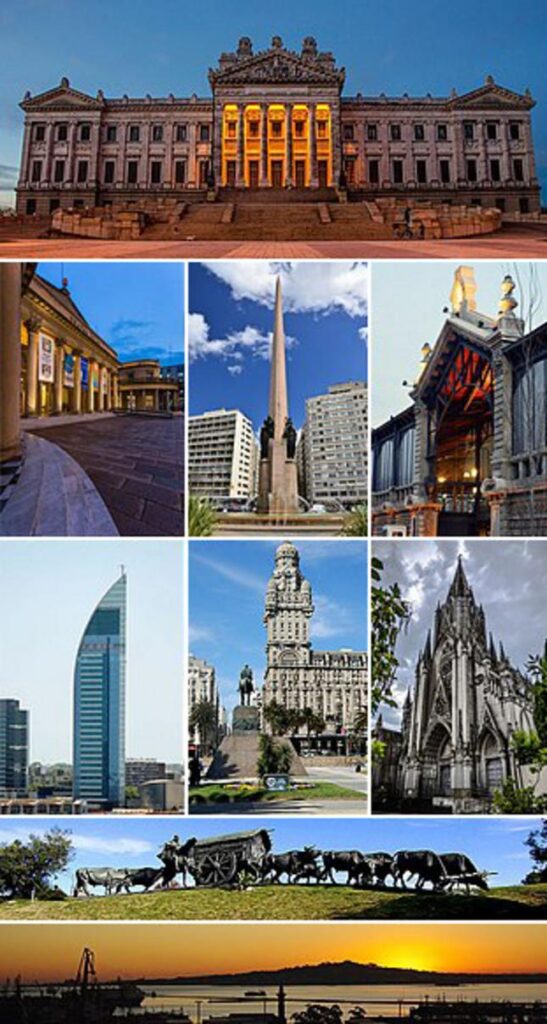
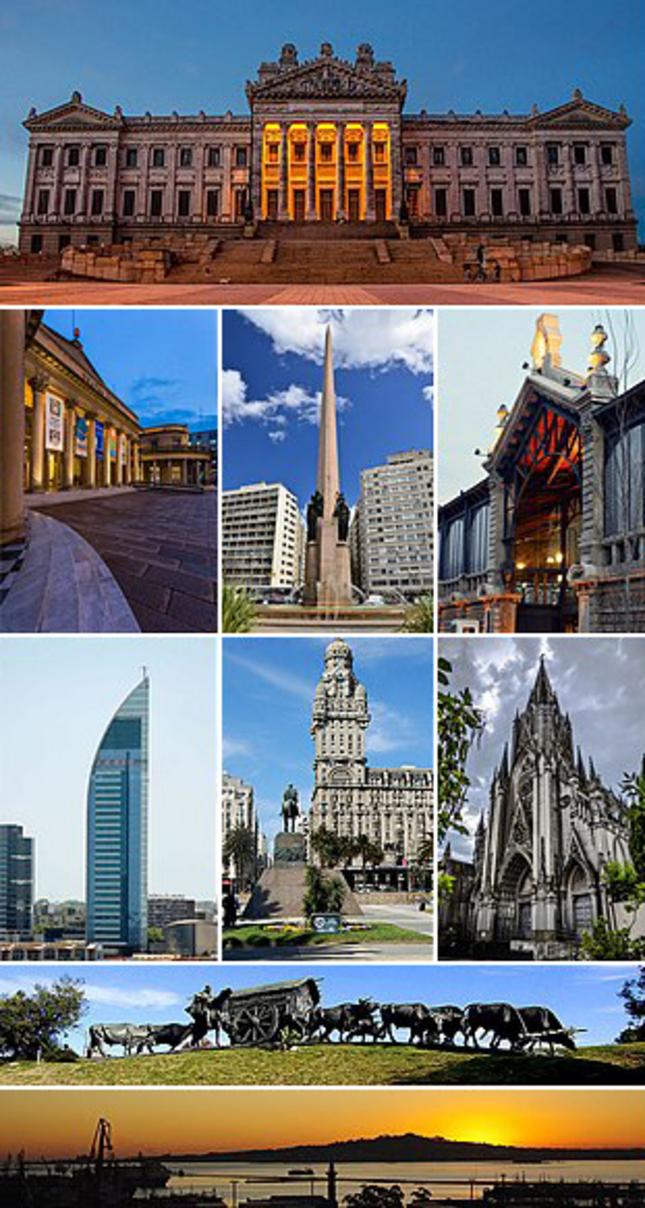
The smoky scent of grilled meats fills the air at Mercado del Puerto on the waterfront, mixing with the chatter of locals and visitors.
Montevideo, Uruguay’s capital on the Rio de la Plata, blends colonial heritage with everyday city life. Visitors come for the Mercado del Puerto’s parrilla grills and the historic streets of Ciudad Vieja, where markets and museums sit side by side. The Pocitos neighborhood offers a coastal break with its beach and cafes. Montevideo’s population hovers around 1.3 million, giving it a manageable size for exploring on foot or by bus. The city leans heavily on its cultural roots, but it lacks the nonstop nightlife of nearby Buenos Aires. Focus your days on heritage sites and local food markets to get the most from Montevideo’s distinct rhythm.
Explore Mercado del Puerto for traditional parrilla grilling, walk Ciudad Vieja’s colonial streets for history, visit Museo Nacional de Artes Visuales for local art, and stroll Pocitos Beach for a coastal city vibe.
Key takeaways
- Stay in Ciudad Vieja for historic architecture and easy access to Mercado del Puerto.
- Visit Mercado del Puerto before 3:00 PM to catch the best parrilla action and avoid crowds.
- Plan museum visits like Museo Nacional de Artes Visuales on weekdays to avoid weekend lines.
- Use local buses from Pocitos to Ciudad Vieja; tickets cost around $1 USD, 2026.
- Expect to pay ~$15 for a full parrilla meal at Mercado del Puerto, 2026.
- Walk the Rambla at sunset in Pocitos for a quieter, less touristy experience.
- Book guided tours of Ciudad Vieja’s colonial sites in advance during high season (December–February).
Watch: Montevideo in motion

Why visit Montevideo
Montevideo stands apart from Uruguay’s other major cities, Punta del Este and Colonia del Sacramento, by blending vibrant urban life with a laid-back coastal charm. Unlike the resort atmosphere of Punta del Este or the colonial focus of Colonia, Montevideo offers a dynamic cultural scene rooted in its historic Ciudad Vieja neighborhood and the sweeping Rambla waterfront. The city’s distinctive grid layout, shaped by its Spanish colonial origins, encourages leisurely exploration on foot or bike along the coast. Montevideo’s unique fusion of beach access, historic architecture, and thriving local markets creates an experience that feels both cosmopolitan and authentically Uruguayan.
- Ciudad Vieja’s Mercado del Puerto hosts daily traditional parrilladas, anchoring Montevideo’s renowned barbecue culture.
- The Rambla’s 13-mile waterfront promenade is one of the longest urban coastal walks in South America.
- Montevideo’s carnival features murga performances year-round, unlike the seasonal-only festivals in Punta del Este.
- The city’s colonial grid layout directly supports its vibrant café culture and street-level social life.
- Insider tip: Montevideo’s street art scene thrives in the less-touristed neighborhoods of Palermo and Cordón.
Best for
Montevideo suits travelers who appreciate a blend of urban culture and seaside relaxation, especially those who enjoy exploring historic neighborhoods and local food scenes. It’s ideal for solo travelers and couples seeking authentic experiences without the high-energy nightlife of resort towns.
Skip if
Skip Montevideo if you want a beach resort vibe or colonial charm as a primary draw; instead, visit Punta del Este for beaches or Colonia del Sacramento for colonial ambiance.
Top things to do in Montevideo
1. Rambla of Montevideo ·
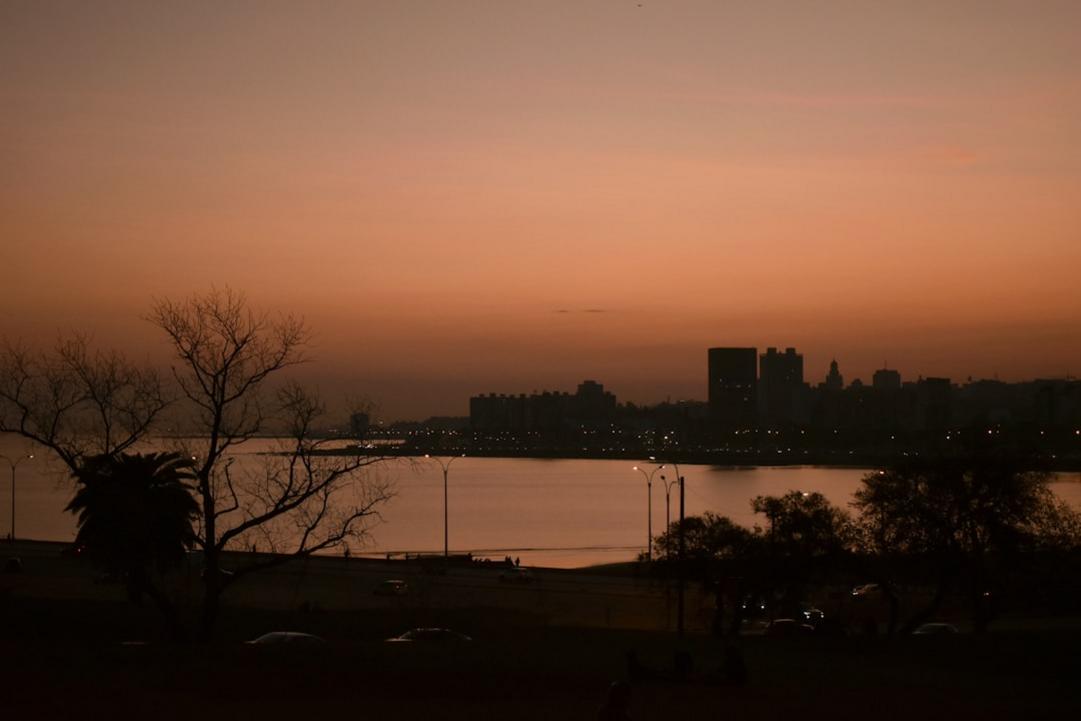
The Rambla is Montevideo’s iconic waterfront promenade, offering breathtaking sunset views and a serene escape right in the city.
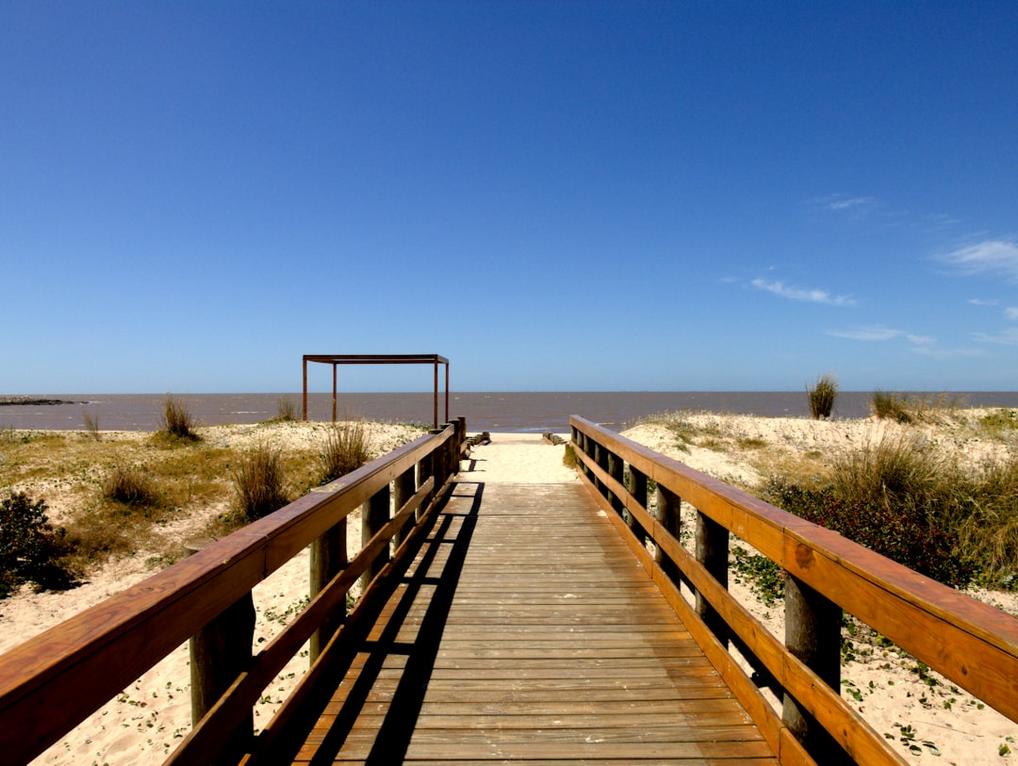
The Rambla stretches along Montevideo’s coastline, providing a wide pedestrian and cycling path that runs beside the Río de la Plata. As you walk or bike along sections like the Pocitos or Buceo neighborhoods, you encounter locals jogging, fishing, or simply relaxing on benches. The views of the expansive river and the city skyline are especially captivating at sunset, when the sky turns vibrant shades of orange and pink. The atmosphere is peaceful, with occasional street vendors and cafés nearby to pause for refreshments.
This is the definitive waterfront experience in Montevideo, offering a continuous and accessible promenade compared to shorter or less scenic coastal walkways elsewhere in the city.
- When: Late afternoon to early evening, especially from March to November when sunsets are clear and temperatures are mild.
- Cost: Free
- Duration: 1-2 hours
- How to reach: From downtown Montevideo, walk or take a colectivo along Avenida Brasil or along the coast through Pocitos neighborhood to reach various entry points of the Rambla.
Insider tip: If closed
If the Rambla is inaccessible due to weather, visit Parque Rodó for lakeside walking and gardens.
2. Playa Pocitos ·
Montevideo’s most popular urban beach, perfect for relaxing sunbathing and gentle swims, embodying the city’s coastal charm.
Playa Pocitos is a sandy urban beach located in the Pocitos barrio, known for its calm waters and a lively atmosphere on weekends. Visitors can sunbathe on the shore or wade in the gentle waves of the Río de la Plata, with the city’s skyline visible behind. The beach is lined with cafés, kiosks, and shaded areas, making it ideal for a full day of relaxation or picnicking. The nearby pedestrian streets offer shops and casual dining options to complement your beach day.
Playa Pocitos is the most accessible and frequented beach in Montevideo, offering a safer and more urban alternative to more remote or rougher beaches outside the city.
- When: Summer months (December to March), preferably mid-morning to late afternoon when the sun is strongest and the water is warmest.
- Cost: Free
- Duration: Half day
- How to reach: From central Montevideo, walk or take a colectivo along Avenida Brasil or along the coast towards the Pocitos neighborhood, exiting near Calle 26.
Insider tip: If closed
If the beach is unsuitable due to weather or water quality, visit Mercado del Puerto for an indoor cultural and culinary experience.
3. Mercado del Puerto ·
A bustling historic market where you can savor authentic Uruguayan barbecue and experience Montevideo’s vibrant food culture.
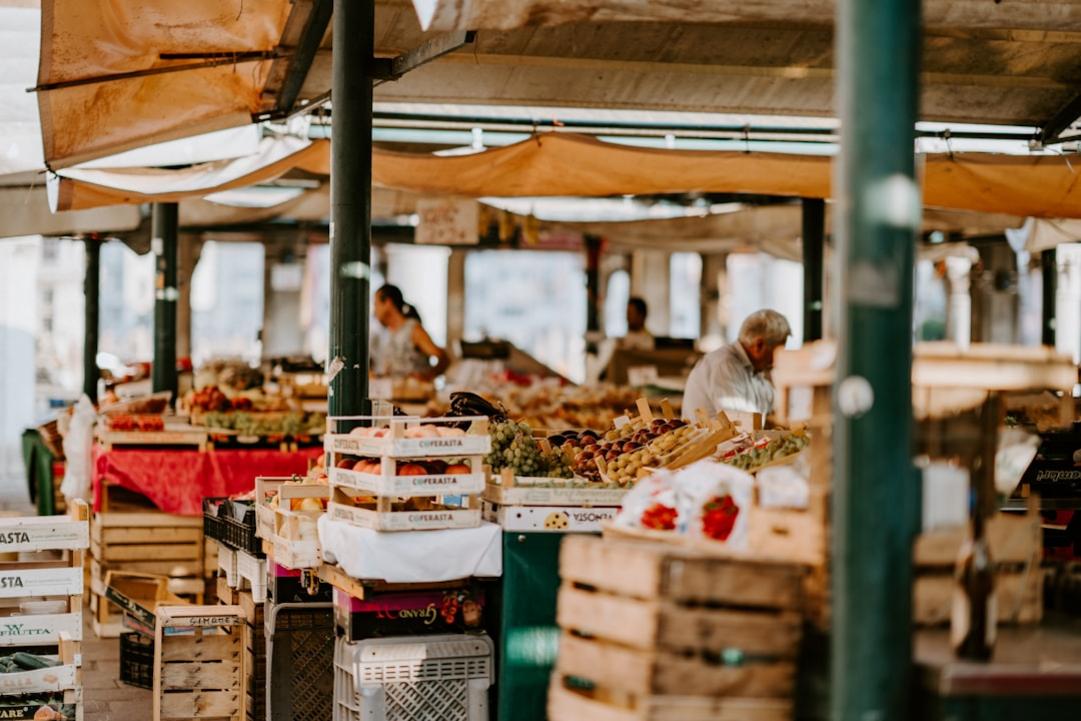
Mercado del Puerto is a lively market set in a historic iron-and-glass building near the Old City. Inside, numerous parrillas (grill restaurants) serve classic Uruguayan asado, including tender beef cuts, chorizo, and morcilla. The lively atmosphere includes street musicians and artisans, making it a sensory-rich setting. Visitors can also explore stalls selling local crafts and wines, immersing themselves in Montevideo’s culinary traditions and social culture.
This market offers the most authentic and concentrated experience of Uruguayan barbecue and local gastronomy compared to other dining areas in Montevideo.
- When: Lunch or early dinner time, especially Thursday to Sunday when the market is busiest and most vibrant.
- Cost: ~$15-$25, 2026
- Duration: 2 hours
- How to reach: From downtown Montevideo, walk or take a colectivo to the Ciudad Vieja neighborhood near the port area, exiting close to Plaza del Mercado.
Insider tip: If closed
If the Mercado del Puerto is closed, try the nearby Mercado Agricola for fresh local produce and a quieter market experience.
Solo female travel: Visit during peak hours when the market is busy and well-staffed for a safer experience.
4. Parque Rodó ·
A lush park featuring peaceful lakes, gardens, and cultural venues, perfect for a slow, sensory afternoon in the city.
Parque Rodó is a large green space south of the city center, featuring ornamental lakes, tree-lined walking paths, and manicured gardens. Visitors can stroll around the lake, rent paddle boats, or relax under the shade of native trees. The park also houses cultural venues like the Museo Nacional de Artes Visuales and a small amusement park area for families. It’s a favored spot for locals to picnic, read, or enjoy open-air performances on weekends.
Parque Rodó combines natural beauty with cultural attractions in one accessible location, unlike other parks which may lack either greenery or cultural facilities.
- When: Spring and autumn (September to November, March to May) for mild weather and blooming gardens; afternoons are best for light and ambiance.
- Cost: Free
- Duration: 2-3 hours
- How to reach: From downtown Montevideo, take a colectivo or walk south along Avenida 18 de Julio towards the Parque Rodó neighborhood, entering near Plaza de Deportes.
Insider tip: If closed
If the park is closed for maintenance or events, visit the Rambla for outdoor waterfront walking instead.
5. Sunset Sailing on Montevideo Bay ·
A relaxing sailing experience offering stunning views of the city skyline and a perfect way to unwind at sunset.
This activity involves joining one of the licensed sailing operators based at the Montevideo marina for a leisurely cruise across Montevideo Bay. The sail offers panoramic views of the city’s skyline, the port, and the distant coastline as the sun sets, turning the sky into a canvas of warm colors. Passengers can enjoy the gentle sea breeze and the rhythmic sound of water against the hull while sipping a drink onboard. The experience is calm and suited for all skill levels, with knowledgeable captains providing a safe and informative outing. Book on GetYourGuide.
Opting for a sunset sail is a more intimate and scenic alternative to a daytime harbor tour, providing unique lighting and a tranquil atmosphere that other operators or daytime cruises lack.
- When: Best from October to April, starting about one hour before sunset (approximately 6-8 pm depending on season).
- Cost: ~$50-$70, 2026
- Duration: 2 hours
- How to reach: From central Montevideo, take a short taxi or colectivo ride to the Montevideo marina area in Buceo, near the port along Rambla Armenia.
Insider tip: If closed
If sailing is cancelled due to weather, visit Mercado del Puerto for indoor dining and local culture.
Solo female travel: Book in advance with licensed operators who maintain small, secure groups; sailing groups typically depart before dusk, allowing safe return to central areas.
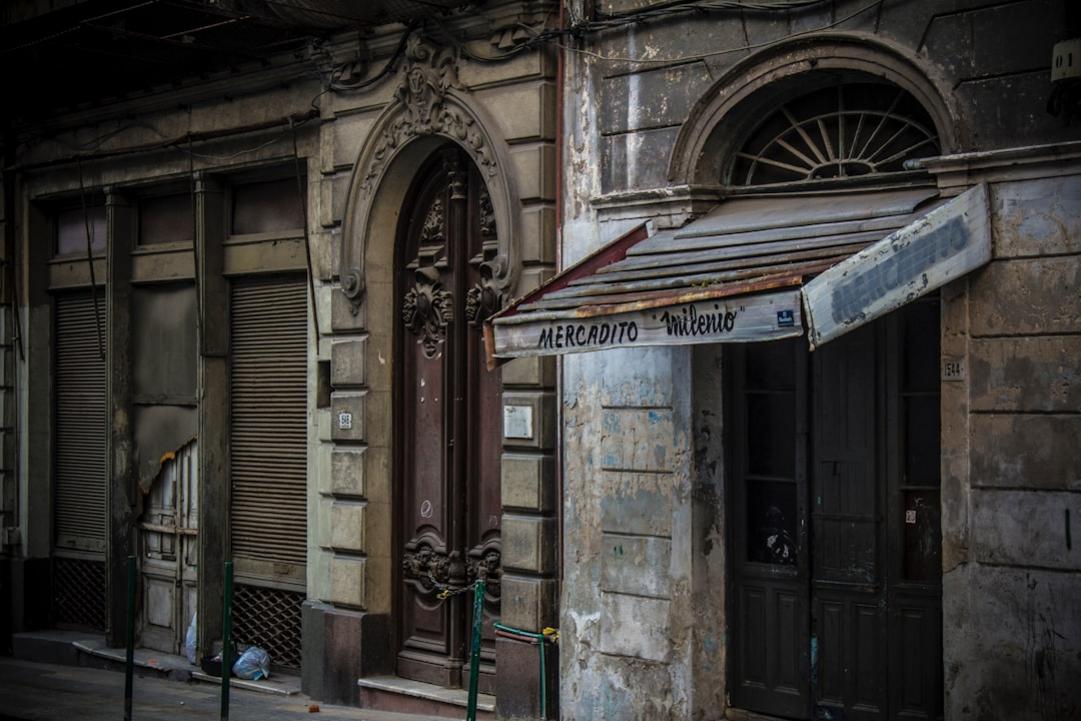
6. Ciudad Vieja Walking Tour ·
Explore Montevideo’s historic old town on foot, discovering colonial architecture and vibrant street life.
This guided walking tour through Ciudad Vieja takes you past landmarks such as the Solís Theatre, Plaza Independencia, and the Mercado del Puerto. You experience the blend of colonial and Art Deco architecture while absorbing the lively street art and local vendors. The licensed guide outfits in town provide historical context and anecdotes that bring the old town’s past and present to life. The route is compact, making it easy to stop for a café con leche or local empanada along the way. Book on GetYourGuide.
This tour offers a deeper historical narrative and local insight compared to self-guided strolls or generic city tours, focusing specifically on the character of Ciudad Vieja.
- When: Mornings or late afternoons, Tuesday to Sunday, from September to April to avoid the hottest hours and catch the street life at its peak.
- Cost: ~$25, 2026
- Duration: 2 hours
- How to reach: From central Montevideo, walk west along Avenida 18 de Julio towards the port area; Ciudad Vieja is easily accessible on foot from the city center.
Insider tip: If closed
Visit the Museo Torres García indoors for a cultural experience if walking tours are unavailable.
7. Montevideo Bike Tour ·
Active exploration of the city’s diverse neighborhoods and coastline by bike, perfect for outdoor enthusiasts.
On this bike tour, you cycle along Montevideo’s Rambla, passing beaches, parks, and vibrant neighborhoods like Pocitos and Punta Carretas. The guides from licensed bike tour companies provide helmets and route maps, ensuring a safe yet invigorating ride. You get to experience the city’s coastal breeze and see local life from a fresh perspective. Stops include panoramic viewpoints and opportunities to taste street food or coffee. Book on GetYourGuide.
Choosing this guided bike tour over renting a bike alone ensures a curated route and local expertise, avoiding traffic hazards and enhancing the experience.
- When: Early mornings or late afternoons year-round, avoiding midday heat; weekends are popular but weekdays offer quieter routes.
- Cost: ~$35, 2026
- Duration: 3 hours
- How to reach: Start at Plaza Independencia or nearby neighborhoods reachable by colectivo or a 15-minute walk from downtown Montevideo.
Insider tip: If closed
Explore the city on foot with the Ciudad Vieja Walking Tour if bike tours are canceled due to weather.
8. Parque Batlle Jogging and Outdoor Fitness ·
A favorite spot for locals to jog and exercise, offering green spaces and a lively outdoor atmosphere.
Parque Batlle is a large urban park featuring wide paths, fitness stations, and shaded areas where locals jog, cycle, and practice outdoor workouts. The atmosphere is casual and communal, often filled with morning runners and families enjoying the open space. The park also hosts occasional outdoor fitness classes organized by local trainers. You can enjoy views of the nearby Estadio Centenario and relax under the trees after your exercise.
This location provides a genuine local experience for exercise enthusiasts, unlike commercial gyms or isolated running tracks.
- When: Early mornings or late afternoons throughout the year for cooler temperatures and a lively crowd.
- Cost: Free
- Duration: Flexible, from 30 minutes to 2 hours
- How to reach: Reachable by colectivo or a 20-minute taxi ride east from downtown Montevideo along Avenida Italia.
Insider tip: If closed
Jog along the Rambla coastline for an outdoor workout if the park is closed or under maintenance.
9. Murallas del Ciudadela and Fortification Walk ·
Discover the remnants of Montevideo’s colonial fortifications on a scenic outdoor walk through historic walls.
This outdoor walk follows the surviving sections of the Murallas del Ciudadela, including stone walls, bastions, and gates that once protected the city. The path offers views over the port and the Plaza Independencia, linking the colonial past with the modern cityscape. Walking here allows you to imagine Montevideo’s strategic importance during colonial times while enjoying fresh air and open space. Informational plaques along the route explain the history of the fortifications.
This walk is a focused historical experience that complements the broader Ciudad Vieja tour by spotlighting the city’s defensive architecture.
- When: Late mornings or afternoons, preferably during dry months from October to March to avoid slippery surfaces on the stone paths.
- Cost: Free
- Duration: 1 hour
- How to reach: Located within walking distance from Plaza Independencia, accessible on foot from the city center or by taxi.
Insider tip: If closed
Visit the Museo Histórico Nacional for indoor exhibits on Montevideo’s colonial history if the walk is not possible.
10. Indoor Tango Dance Lesson ·
Learn the passionate art of tango in an engaging dance class that connects you to local culture and rhythm.
In a cozy indoor studio, local tango instructors guide you through the basic steps and rhythms of this iconic dance. The lesson usually starts with posture and footwork before progressing to simple partner movements, with music ranging from classic tango to modern interpretations. These classes are often held in small groups, allowing personalized attention and a welcoming atmosphere. The experience is both physically engaging and culturally enriching, ending with a practice session to popular tango songs. Book on GetYourGuide.
This lesson is preferable to casual milongas for beginners because it provides structured guidance from experienced local teachers.
- When: Evenings, Wednesday to Saturday, year-round; booking in advance is recommended to secure a spot.
- Cost: ~$30, 2026
- Duration: 1.5 hours
- How to reach: Studios are typically located in central neighborhoods such as Cordón or Ciudad Vieja, accessible by a short taxi ride or colectivo from downtown Montevideo.
Insider tip: If closed
Watch a live tango show or milonga event if lessons are not available.
Solo female travel: Some studios offer women-only classes on request, which can be arranged by contacting the instructor in advance.
48 hours in Montevideo
This two-day plan is tailored for curious urban explorers who want to savor Montevideo’s rhythms without rushing, following this trip’s approach that starts each day gently with coffee and a slow stroll. It’s perfect for travelers who appreciate a balance of cultural immersion, local flavors, and thoughtful pacing.

Day 1
Morning
After waking up to the soft morning light filtering through your window, head out to the Mercado del Puerto just as it opens to enjoy the lively buzz before the main crowds arrive. Grab a cortado at the small café tucked in the corner, where locals start their day, and then take a leisurely walk along the nearby Rambla, watching the city wake up with the sun casting long shadows over the water. This slow start lets you ease into Montevideo’s pace and sets a relaxed tone for the day.
Afternoon
By midday, make your way to the Museo Nacional de Artes Visuales, arriving around 1pm when the light inside is just right for the paintings. Afterwards, stroll through Parque Rodó, taking the shaded paths to avoid the afternoon heat. For lunch, slip into a classic parrillada near the park’s edge where the grilled meats come with fresh salads and a chilled local rosé, perfect for a leisurely meal that feels like a local ritual. This combination of art, green space, and food offers a balanced and restorative afternoon.
Evening
As the sun begins to dip, head up to the viewpoint at Cerro Santa Catalina to catch the sunset glow spreading over the city’s rooftops and the bay beyond. Afterward, descend to the Ciudad Vieja for dinner at a well-regarded seafood restaurant in the historic quarter, where the atmosphere is lively but intimate, and dishes highlight the day’s fresh catch paired with a crisp Uruguayan white wine. End your evening with a slow walk back along the cobblestone streets, soaking in the warm lights and the gentle hum of Montevideo at night.
Day 2
Morning
Start your day early at the Feria Tristán Narvaja market, arriving before 9am to beat the weekend crowds and enjoy the best selection of antiques, fresh produce, and street snacks. Move through the stalls at a relaxed pace, stopping at the bakery stand for a medialuna and fresh coffee, then wander into the adjacent residential neighborhood to admire the colorful facades and quiet plazas bathed in soft morning light. This morning is slower, more neighborhood-focused, contrasting with the city-center energy of day one.
Afternoon
In the afternoon, take a short bus ride out to the coastal district of Carrasco for a half-day beach walk combined with a visit to a local artisan workshop specializing in handmade ceramics. The sea breeze and gentle terrain offer a refreshing change of pace and scenery. For lunch, settle into a beachfront café famous for its light seafood salads and freshly squeezed juices, where you can watch the waves while recharging. This blend of seaside calm and creative craftwork makes for an engaging yet low-effort afternoon.
Evening
Return to the city center for an early evening wine-bar tapas crawl in the Palermo neighborhood, hopping between intimate spots known for their curated selections of Uruguayan wines and small plates featuring regional cheeses and cured meats. The relaxed rhythm here is perfect for winding down, with the dimming light enhancing the cozy ambiance. Finish with a slow walk back through the leafy streets, savoring the lingering aromas and soft jazz spilling from open doors.
If you have a third day
If you had a third day, I’d recommend exploring the lesser-known barrio of La Aguada with its intriguing street art and quiet cafés, culminating in a visit to a traditional tango salon where you can watch locals dance in the evening. This offers a fresh cultural layer distinct from the main tourist trails and deepens your connection to Montevideo’s living heritage.
Best time to visit Montevideo
Quick answer
The best time to visit Montevideo is from April to June and October to early December when temperatures are mild and rainfall is moderate, perfect for exploring the city’s outdoor cultural sites and waterfront.
| Months to go | April to June, October to early December |
|---|---|
| Months to avoid | January to March due to heat and higher rainfall, and July to September because of cooler temperatures and more rain. |
Montevideo experiences its warmest months from January to March, with average temperatures around 75°F / 24°C to 79°F / 26°C, but these months also bring increased rainfall, which can disrupt outdoor activities like strolling the Rambla or visiting open-air markets. From April to June, temperatures cool to a comfortable 61°F / 16°C to 68°F / 20°C, making it ideal for walking tours and enjoying the city’s cultural landmarks without the summer crowds. The winter months of July to September see average temperatures drop to 54°F / 12°C to 59°F / 15°C, and rainfall remains moderate, which can limit outdoor exploration but still allows visits to museums and indoor attractions. From October to early December, the weather warms again to the mid-60s and low 70s Fahrenheit, with less rain, reopening the window for pleasant outdoor activities and festivals. Overall, the shoulder seasons provide the best balance of comfortable temperatures and manageable rainfall for enjoying Montevideo’s vibrant urban and coastal experiences.
Average temperature (°F)
Monthly weather
Warmest month, higher rain
Warm with moderate rain
Warm, rain starts to ease
Cooling down, less crowded
Mild and pleasant weather
Cooler, good for sightseeing
Cool and moderately rainy
Still cool, some rain
Warming up, moderate rain
Mild and less rainy
Warmer, good outdoor time
Warm, start of summer
How to get to Montevideo
Nearest airport
Carrasco International Airport (MVD), 20 km / ~30 minutes from Montevideo city center
From the airport
The primary way to reach Montevideo from Carrasco International Airport is by taking the city’s airport shuttle, which operates multiple departures daily and costs around ~$5 USD (2024). Alternatively, metered taxis are available outside the terminal for about ~$25 USD, offering a faster and more direct route. Rental cars can be arranged at the airport for travelers planning to explore beyond the city.
Other ways to arrive
- Buenos Aires, Argentina – ferry plus bus, approximately 4 hours total, cost band ~$40-$60 USD
- Colonia del Sacramento, Uruguay – long-distance bus, about 2 hours, cost band ~$10-$15 USD
- Punta del Este, Uruguay – long-distance bus, about 2.5 hours, cost band ~$15-$20 USD
- São Paulo, Brazil – flight to Montevideo, about 3 hours, cost band ~$100-$150 USD
Getting around Montevideo
Montevideo’s most common way to get around is by bus, with an extensive network covering the city and suburbs. For visitors, taxis and ride-hailing apps offer a convenient and affordable alternative, especially for short trips or when traveling with luggage.
- Bus – best for budget travelers and longer routes within the city, cost around ~$0.70 USD per ride.
- Taxi – useful for direct, comfortable trips especially at night or with luggage, fares start at ~$2.50 USD plus ~$1.00 USD per km.
- Ride-hailing apps – convenient and often cheaper than taxis, ideal for tourists unfamiliar with bus routes, fares vary but typically start at ~$2 USD.
- Bicycle – good for short distances and exploring central neighborhoods, bike rentals cost about ~$5-$10 USD per day.
- Walking – Montevideo’s central districts are very walkable and pleasant for sightseeing.
Day trips from Montevideo
Montevideo’s location on the coast and near charming towns makes it an excellent base for day trips. These excursions offer a mix of beach time, historic sites, and rural charm, perfect for diversifying your stay.
Colonia del Sacramento
exploring a UNESCO World Heritage colonial town with cobblestone streets and historic architecture
Why: Colonia’s well-preserved historic quarter offers a unique glimpse into Uruguay’s colonial past, with quaint cafes and waterfront views making it a picturesque and relaxing day trip.
Punta del Este
enjoying Uruguay’s most famous beach resort with lively nightlife and upscale dining
Why: Punta del Este combines beautiful beaches with cultural attractions like Casapueblo and a vibrant social scene, making it ideal for travelers seeking a mix of relaxation and entertainment.
Skip if: not interested in beach or resort towns
Canelones Wine Region
visiting vineyards and tasting Uruguay’s signature Tannat wines
Why: This nearby wine region offers intimate winery tours and tastings, perfect for wine enthusiasts wanting to explore local flavors beyond the city.
Piriápolis
relaxing at a historic seaside town with a charming promenade and hilltop castle
Why: Piriápolis is less crowded than Punta del Este, offering a more laid-back beach experience with scenic views from Cerro San Antonio.
Combine Montevideo with
Extend your Uruguay trip by combining Montevideo with longer stays in nearby regions that offer distinct experiences. These multi-night routes provide a deeper dive into the country’s culture, nature, and coastal charm.
Montevideo – Rocha – Cabo Polonio Montevideo, Rocha, Cabo Polonio
This route moves east from Montevideo to the wild beaches of Rocha and the remote village of Cabo Polonio, ideal for travelers seeking nature, wildlife, and off-the-grid coastal beauty.
Montevideo – Salto – Termas del Daymán Montevideo, Salto, Termas del Daymán
Head north to Salto, Uruguay’s second-largest city, and relax in the nearby hot springs at Termas del Daymán, perfect for wellness and cultural exploration.
Montevideo – Carmelo – Colonia del Sacramento Montevideo, Carmelo, Colonia del Sacramento
Explore the western region with Carmelo’s vineyards and riverfront charm before finishing in the historic town of Colonia, combining wine, nature, and heritage over several days.
Where to stay in Montevideo
Compare prices across booking sites on the map below and see which neighbourhood fits your plans.
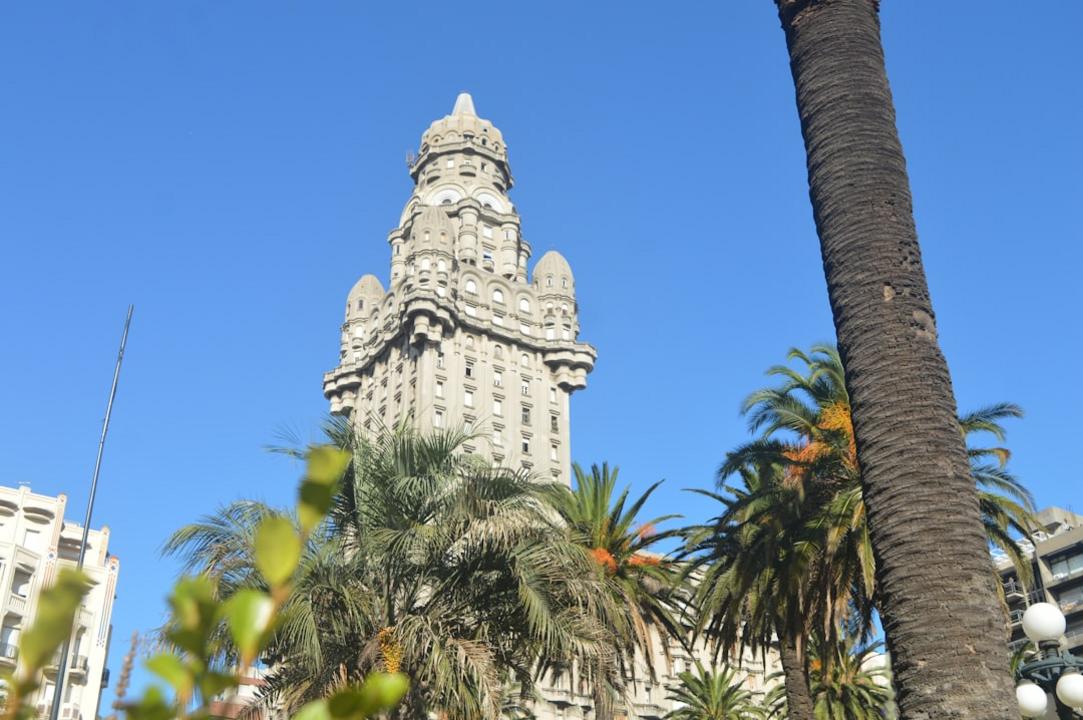
Montevideo offers a variety of neighborhoods catering to different traveler preferences. Pocitos is popular for its beachfront access and lively promenade, ideal for those who want to enjoy the sea and cafes. Ciudad Vieja, the historic old town, attracts culture lovers and sightseers who want walkable access to museums, plazas, and colonial architecture. Punta Carretas combines a quiet residential feel with upscale shopping and dining, perfect for mid-range travelers seeking comfort and convenience. Lastly, Parque Rodó offers a green, laid-back environment near the university and parklands, favored by budget travelers and students.

Parque Rodó
Budget travelers in Montevideo often find family-run guesthouses or hostel dorms in Parque Rodó, where prices are affordable and the vibe is casual and social. These accommodations offer basic amenities and a friendly atmosphere but may lack modern conveniences or prime locations near the beach. Staying here gives you easy access to green spaces and local eateries, though nightlife options tend to be quieter compared to more central zones.
Insider tip: In Parque Rodó, guesthouses on the quieter side streets off Avenida Sarmiento tend to have less street noise and more relaxed common areas.
Punta Carretas
Mid-range travelers often choose boutique hotels or well-rated guesthouses in Punta Carretas, where you get a balance of comfort, style, and proximity to upscale shops and restaurants. These properties typically feature modern amenities like Wi-Fi, air conditioning, and breakfast included. While not beachfront, Punta Carretas offers a calm residential atmosphere and easy access to the Rambla for scenic walks.
Insider tip: Properties near the Punta Carretas Shopping Mall on José Ellauri Street provide quieter rooms away from main traffic and are within easy walking distance of the coast.
Pocitos
For a splurge, beachfront boutique hotels or luxury river-view condos in Pocitos deliver stunning ocean views, upscale dining, and access to the vibrant seaside promenade. These accommodations offer comprehensive amenities including pools, spa services, and concierge support. However, prices are higher and availability can be limited during peak seasons.
Insider tip: In Pocitos, requesting a room facing the Rambla on Calle 26 provides the best sunrise views and quieter nights than those facing the main commercial streets.
Where not to stay
The area around Avenida Agraciada near the bus terminal is best avoided due to heavy traffic, noise, and a lack of tourist-friendly amenities.
Solo female travelers
Solo female travelers often prefer hostels or guesthouses in Ciudad Vieja, where well-lit streets and a strong social atmosphere make evening walks safe and enjoyable.
Booking through these links supports Pack Lightly at no extra cost to you.
Where to eat and drink in Montevideo

Montevideo’s culinary scene is uniquely shaped by its coastal geography and vibrant immigrant communities, particularly Italian and Spanish influences that have melded into a distinctive local flavor. The city is known for its fresh seafood sourced from the nearby Río de la Plata, especially from the traditional fishing port of La Paloma, and for its artisanal charcuterie crafted by family-run producers. The Mercado del Puerto, a historic market in the Ciudad Vieja neighborhood, is the beating heart of Montevideo’s food culture, where locals gather to enjoy grilled meats and regional specialties. Additionally, the city’s thriving craft beer scene and specialty coffee roasters have positioned Montevideo as a growing hub for beverage innovation in Uruguay.
Must-try dishes
Chivito al Pan
A hearty sandwich featuring grilled beef, ham, bacon, cheese, lettuce, tomato, and a fried egg.
This is Montevideo’s signature city-level dish, invented here and celebrated as a staple of local street food culture, embodying the city’s carnivorous palate (city signature event/dish).
Insider tip: The chivito here is more than a sandwich—it’s a Montevideo institution, best enjoyed with a cold local beer.
Rabas de La Paloma
Lightly battered and fried squid rings, a regional seafood specialty.
Featuring squid caught fresh from the nearby fishing port of La Paloma, these rabas highlight the regional ingredient prepared by renowned Montevideo seafood shacks (regional ingredient + local producer).
Insider tip: Crisp, fresh, and perfectly seasoned—these rabas are a seaside favorite that locals swear by.
Craft Beer from Antu Cerveza Artesanal
A range of artisanal beers brewed with local ingredients and innovative techniques.
Antu is a Montevideo-based brewery pioneering Uruguay’s craft beer movement, making the city a recognized hub for craft brewing (local-only producer brand).
Insider tip: Sampling Antu’s brews is essential for understanding Montevideo’s new wave of local flavors.
Empanadas de Pino a la Montevideana
Baked empanadas filled with a spiced mixture of ground beef, onions, olives, and hard-boiled egg, with a local seasoning twist.
A community-specific dish tied to Montevideo’s Spanish immigrant neighborhoods, where family recipes have been preserved and adapted over generations (community-specific dish).
Insider tip: These empanadas carry the soul of Montevideo’s immigrant heritage in every bite.
Café de Especialidad from Café Brasilero
Single-origin specialty coffee roasted and served with expert care.
Café Brasilero is Montevideo’s oldest specialty coffee roaster, anchoring the city’s reputation in Uruguay’s third-wave coffee scene (city-known category).
Insider tip: A perfect espresso here is a ritual that connects Montevideo’s past and present coffee culture.
Local drinks
- Montevideo Craft BeerCraft beer bars and breweries concentrated in Palermo and Cordón neighborhoods, including Antu and other emerging brewers.
Locally brewed beers showcasing innovative styles and Uruguayan ingredients. - Specialty CoffeeHistoric cafés like Café Brasilero in Centro and modern specialty coffee shops across Ciudad Vieja.
Artisan-roasted coffees by local roasters blending regional beans with meticulous preparation.
Where to eat – by neighborhood
Mercado del Puerto
A bustling historic market quarter known for parrillas (grill restaurants), lively atmosphere, and traditional Uruguayan barbecues.
Insider tip: Order your meat ‘jugoso’ (juicy) and pair it with a glass of tannat wine from a local vendor.
Palermo
A trendy neighborhood with a growing cluster of craft breweries, modern bistros, and seafood taverns along the Rambla.
Insider tip: Visit after 7pm to catch locals enjoying craft beer flights paired with fresh seafood plates.
Villa Muñoz
Known for its immigrant roots and traditional bakeries, offering authentic empanadas and pastries.
Insider tip: Stop by family-run bakeries early in the day to get the freshest empanadas before they sell out.
Local markets
| Mercado Agrícola de Montevideo (MAM) | Tuesday to Sunday, 8:00 AM to 5:00 PM – Fresh regional produce, artisanal cheeses, and gourmet products from local small-scale producers. |
|---|
Dietary note
While Montevideo’s cuisine is heavily meat-centric, the city’s growing number of specialty coffee shops and artisanal bakeries offer good options for vegetarians; vegan and gluten-free choices are available but more limited outside specialized restaurants.
Daily budget for Montevideo
Montevideo stands out within Uruguay for its blend of affordable local living costs and pockets of higher-end tourism amenities, making daily expenses somewhat varied. As the capital and a Tier-2 tourist hub, its prices tend to be slightly elevated compared to smaller Uruguayan towns, reflecting its urban and cultural appeal.
Shoestring
- lodging – budget hostels or shared rooms in central neighborhoods
- food – street food, local markets, and casual eateries
- transport – public buses and occasional walking
- activities – free or low-cost museums, parks, and city tours
- buffer – small extras or emergencies
Trade-offs: Staying in basic accommodations and limiting paid activities keeps costs low but may sacrifice comfort and convenience.
Comfort
- lodging – mid-range hotels or private Airbnbs in safe, central areas
- food – mix of casual dining and occasional nicer restaurants
- transport – public transport and occasional taxis
- activities – guided tours, cultural events, and entrance fees
- buffer – flexibility for extras or souvenirs
Trade-offs: This budget balances comfort and experience but may require prioritizing certain activities over others.
Splurge
- lodging – boutique hotels or upscale Airbnbs with premium amenities
- food – fine dining, specialty restaurants, and frequent meals out
- transport – taxis, ride-shares, or car rentals for convenience
- activities – private tours, cultural shows, and exclusive experiences
- buffer – for shopping, tips, or unexpected expenses
Trade-offs: High-end comfort and exclusive experiences come at a premium, with less focus on budget constraints.
Money-saver tip
Use the ‘Buses Montevideo’ app to navigate the extensive and affordable public bus system efficiently, avoiding costly taxis.
Splurge that’s worth it
Dining at a parrillada (traditional Uruguayan steakhouse) with premium cuts and local wines offers an authentic and memorable culinary experience worth the splurge.
Skip to save
Avoid overpriced souvenir shops in Ciudad Vieja that cater primarily to tourists and offer inflated prices for common items.
Practical tips for Montevideo
Money
Cash or card. In Montevideo, credit and debit cards are widely accepted in most restaurants, shops, and hotels, but small markets and some traditional parrillas still prefer cash payments. It’s useful to carry some Uruguayan pesos for street vendors and public transport, as they rarely accept cards.
ATMs. ATMs are plentiful in central Montevideo, especially around Ciudad Vieja and Pocitos, but many charge foreign transaction fees. Using cards from providers like Wise or Charles Schwab can reduce fees, as local banks often add surcharges on international withdrawals.
Tipping. Tipping is customary but modest—around 10% in sit-down restaurants is appreciated but not mandatory. For example, leaving 100 UYU (about 2.50 USD) on a 1,000 UYU bill is typical for good service.
Safety
Montevideo is generally calm compared to other Latin American capitals, but petty theft can occur in crowded areas like Mercado del Puerto or bus terminals. Travelers should avoid walking alone late at night in poorly lit neighborhoods south of the port area.
Common scams:
- Fake taxi drivers overcharging tourists near the airport
- Street vendors selling counterfeit souvenirs in Ciudad Vieja
- ATM skimming devices occasionally reported in busy areas
Local warnings:
- Strong sun exposure requires sunscreen even on cloudy days, especially in summer
- Be cautious of uneven sidewalks and cobblestone streets in historic districts
- Dengue fever risk is low but present during summer months; use mosquito repellent in parks
Connectivity
Mobile data. Mobile coverage in Montevideo is reliable across the city, with Antel being the main provider offering prepaid SIM cards and eSIMs starting around 300 UYU for 3 GB data. Other carriers like Movistar and Claro also operate but Antel has the widest coverage and easiest top-up options.
Wi-Fi. Wi-Fi is common in cafes and accommodations but can be slow or unstable outside tourist hotspots. The Pocitos neighborhood has many cafes with consistently good Wi-Fi, making it a popular spot for remote work.
Language
Main language: Spanish. English level: English is spoken primarily in tourist areas such as hotels and museums, but outside these zones, locals often have limited English proficiency. Basic Spanish phrases will significantly improve interactions with locals.
Cultural notes
- When greeting, a single cheek kiss is common even in casual settings, including with acquaintances.
- Avoid discussing Uruguay’s political history or the dictatorship period unless with close friends or knowledgeable locals.
- At religious sites, dress modestly—cover shoulders and avoid shorts or sleeveless tops.
- Photography of government buildings or police is discouraged and can attract attention.
Solo female travel
Solo female travelers in Montevideo will find a relaxed urban vibe with many cafes and parks to enjoy during the day. Evening public transport runs until around midnight, but some neighborhoods can feel deserted after dark. Social hostels and coworking spaces in Pocitos and Ciudad Vieja offer good chances to meet others, though street life intensity is low compared to bigger cities.
- Neighborhood: Stay in Pocitos rather than near the port area, as the latter can feel unsafe after dark due to low foot traffic and occasional rowdiness.
- Meeting people: The Mercado del Puerto area hosts weekend food markets that attract locals and travelers alike, offering a good social atmosphere with less tourist pressure.
Frequently asked questions about Montevideo
1Is Montevideo worth visiting compared to Buenos Aires?
Yes, Montevideo offers a more relaxed and authentic experience than Buenos Aires, with beautiful beaches like Playa Pocitos and a charming old town. It’s perfect for travelers seeking culture without the hustle of a big city.
2What is Montevideo known for culturally?
Montevideo is known for its vibrant tango and candombe music scenes, especially during the annual Carnival. The Mercado del Puerto is famous for traditional Uruguayan barbecue and local crafts.
3What is the best time to visit Montevideo for pleasant weather?
The best time to visit is from October to March, during the Southern Hemisphere spring and summer, when temperatures range from 20°C to 28°C and outdoor festivals are in full swing.
4Is Montevideo safe for solo female travelers?
Yes, Montevideo is considered safe for solo female travelers, especially in well-populated areas like Ciudad Vieja and Punta Carretas. Basic precautions at night are advised, but crime rates are relatively low.
5Do you need a car to explore Montevideo?
No, Montevideo has an efficient bus system and walkable neighborhoods like the Old City and Rambla waterfront. Renting a car is only recommended if you plan to visit nearby countryside or beaches outside the city.
6Are there any health risks specific to Montevideo travelers?
No major health risks exist, but standard vaccinations like tetanus and hepatitis A are recommended. The city has good healthcare facilities and clean water, so no special precautions beyond normal travel care are needed.
7Can you swim or surf at Montevideo’s beaches?
Yes, beaches like Playa Ramirez and Playa Malvín are popular for swimming and beginner surfing. Water temperatures are best from December to March, though currents can be strong, so swimming near lifeguard zones is advised.
8What does a typical day cost in Montevideo for a mid-range traveler?
Roughly $50-$70 USD per day covers meals at local parrillas, public transport, and entry to museums. Montevideo is generally more affordable than Buenos Aires but pricier than other Uruguayan cities like Punta del Diablo.
9Is it worth visiting the Montevideo Carnival?
Yes, the Montevideo Carnival is the longest in the world, lasting over 40 days, featuring colorful parades and traditional candombe drumming. It’s a unique cultural experience best enjoyed in February.
11. Zoo ·
Montevideo Zoo houses native and exotic animals including jaguars, capybaras and toucans, plus a reptile house with snakes and lizards. Entry costs around 300 UYU, open 8 AM to 6 PM, with a visit taking about 2 hours. The small facility focuses on conservation of native Uruguayan species.