



Sip yerba mate while watching the sunset at Plaza Artigas, Salto’s central gathering spot by the river.
Salto, Uruguay’s second-largest city with around 125,000 residents, sits on the Uruguay River near the Salto Grande dam. Visitors come mainly for its thermal springs, which feed several public and private hot pools. The city’s relaxed pace fits slow travel perfectly, with family-run guesthouses and wooden cabins offering simple comfort. The riverfront parks and local markets invite lingering afternoons, making Salto a place to slow down and connect with the natural warmth beneath the surface.
Visit Termas del Daymán hot springs for thermal baths, stroll the Plaza Artigas market for local crafts, and relax riverside at Parque Solari for calm sunsets.
Key takeaways
- Termas del Daymán hot springs open daily, ~$20 entry in 2026.
- Salto’s population is roughly 125,000, offering a small-city feel.
- Plaza Artigas market runs mornings Wed-Sun with local crafts.
- Parque Solari riverfront park is best for sunsets year-round.
- Salto lies 180 miles / 290 km northwest of Montevideo by road.
Why visit Salto
Salto stands out in Uruguay for its extensive thermal pools and riverfront setting, unlike Montevideo’s urban buzz or Punta del Este’s beach party scene. The Salto Grande hydroelectric dam anchors the city’s unique landscape along the Uruguay River. Slow days revolve around soaking in hot springs like Termas del Daymán, where warm waters invite long, relaxed afternoons. The city’s calm neighborhoods, such as Barrio Artigas, offer quiet streets and local markets perfect for slowing your pace.
- Spend hours at Termas del Daymán, Uruguay’s largest thermal complex with natural hot springs and minimal crowds on weekdays.
- Explore the Salto Grande dam viewpoint for a quiet riverside walk with panoramic views few tourists know about.
- Visit the weekend market near Plaza Artigas for fresh produce and artisanal goods, a local routine missed by most visitors.
- Plan your trip for fall (April-May) when thermal waters feel warmer against cooler air, making long soaks more comfortable.
Best for
Solo travelers who appreciate slow rhythms and don’t mind basic guesthouses will find Salto’s thermal pools perfect for unwinding. Those seeking quiet river views and relaxed meals in family-run spots fit the vibe well.
Skip if
Skip Salto if nightlife or upscale beach resorts matter most; head to Punta del Este instead for lively evenings and luxury accommodations.
Top things to do in Salto
Salto’s thermal pools define its rhythm, inviting long, slow dips that recharge both body and mind. Start with the hot springs, then explore gentle riverside walks, local markets, and quiet spots perfect for watching the sunset.
1. Termas del Daymán Hot Springs ·
Experience the restorative power of Salto’s best-known thermal waters in a setting designed for relaxation and wellness.
Soak in naturally heated pools at Termas del Daymán, a well-maintained complex offering various thermal pools with temperatures ranging from warm to hot. The site has family-run cabins and open-air pools surrounded by gentle greenery, perfect for unwinding after travel or a day of exploration. Local vendors sell fresh juices and snacks nearby, making it easy to linger without rushing.
Termas del Daymán offers better-maintained facilities and more pool variety than the smaller, less developed Termas del Arapey, making it the top choice for a slow, restorative stay.
- When: Visit in the late afternoon or early evening to catch the golden light on the pools and avoid midday crowds, best from October through April.
- Cost: ~$15, 2026
- Duration: Half day
- How to reach: Take a colectivo or taxi from downtown Salto along Ruta 3, about 6 miles / 10 km southeast; the complex is well signposted and easy to find.
Insider tip: If closed
Relax at the smaller Termas de Salto Grande pools, closer to the city center but with fewer amenities.
Solo female travel: Public pools have a steady flow of local families and solo visitors; evening hours are well-lit with staff on-site.
2. Salto Grande Dam and Riverside Park ·
Combine calm river views with a stroll around the impressive hydroelectric dam shared with Argentina.
Walk along the Uruguay River’s edge at the Salto Grande Dam park, where shaded paths and benches offer a place to slow down and watch boats or fishermen. The dam itself is an imposing structure, but the park focuses on gentle relaxation with picnic spots and local food carts. Early mornings here are peaceful, with few tourists and good birdwatching.
This spot blends nature and engineering without crowds, unlike busier waterfronts in bigger cities, making it ideal for slow afternoons.
- When: Go early morning or late afternoon for cooler temperatures and soft light, year-round but especially pleasant in fall and spring.
- Cost: Free
- Duration: 2 hours
- How to reach: Walk or bike from central Salto via Avenida Batlle y Ordóñez north toward the riverfront; taxis are cheap and plentiful if preferred.
Insider tip: If closed
Visit the quieter Parque Solari for similar riverside calm within the city.
Solo female travel: The park is commonly used by locals, with good visibility and safe walking paths at all hours.
3. Mercado 19 de Abril ·
Discover local produce, crafts, and the relaxed pace of Salto’s traditional market life.
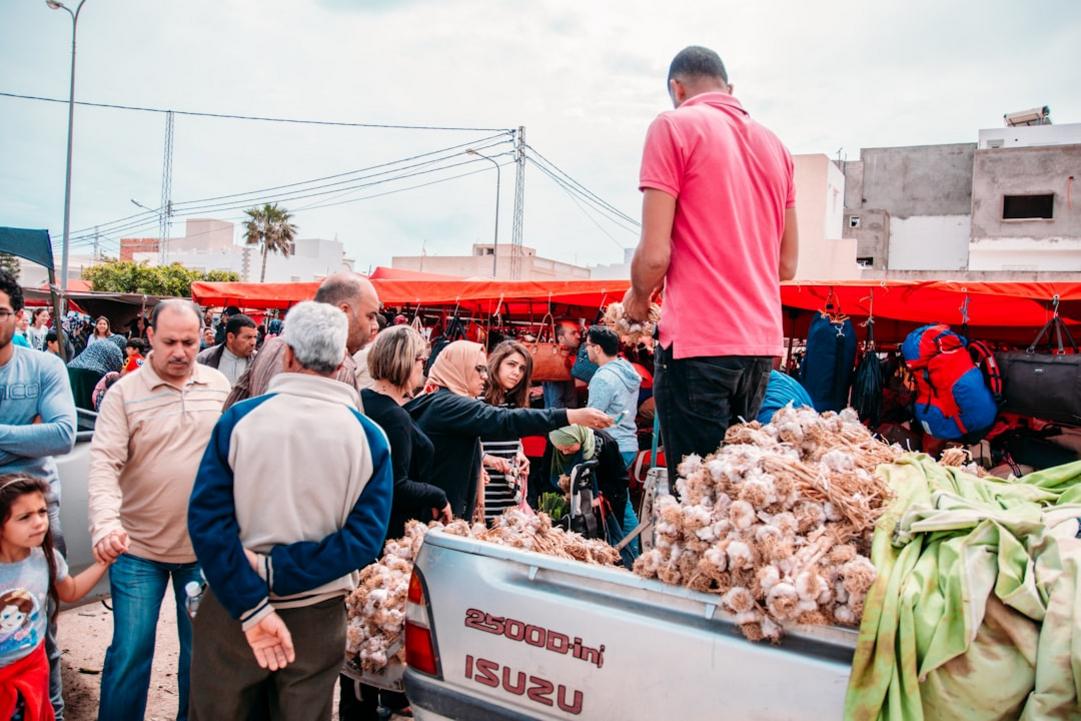
Browse fresh fruits, vegetables, and regional specialties at Mercado 19 de Abril, where vendors offer seasonal products and homemade goods. The market is a lively place to sit down for a slow breakfast or lunch at one of the small food stalls serving simple, hearty fare. Interact with friendly vendors who often share stories about Salto’s agricultural roots.
This market captures everyday life more authentically than touristy souvenir shops, making it the best place to connect with local rhythms.
- When: Mornings on weekdays are quieter and more relaxed; weekends bring more local shoppers but also more noise.
- Cost: Free entry, food ~$5-$10, 2026
- Duration: 1-2 hours
- How to reach: Located a few blocks south of Plaza Artigas, walk or take a short taxi ride from downtown Salto.
Insider tip: If closed
Visit small neighborhood shops around Barrio Artigas for local products and a quieter vibe.
Solo female travel: The market is well-trafficked and safe for solo travelers; avoid carrying large valuables during busy weekend mornings.
4. Paseo de los Artesanos ·
Slow down with handcrafted goods and local artistry in a shaded, open-air artisan market.
Wander the Paseo de los Artesanos, a shaded street market where local artisans sell ceramics, textiles, and leather goods. The relaxed atmosphere encourages conversation and browsing at your own pace. Many artisans work on-site, offering insight into their techniques and materials sourced from the Salto region.
This market avoids the rush of larger craft fairs, focusing on quality and connection rather than volume, offering a more meaningful browsing experience.
- When: Best visited in the late afternoon when vendors are setting up and the light softens, open daily but quieter on weekdays.
- Cost: Free entry; crafts vary from $10-$50, 2026
- Duration: 1-2 hours
- How to reach: Walk from downtown Salto along Calle Uruguay or take a short taxi ride; the market is near the riverfront.
Insider tip: If closed
Check artisan shops along Avenida Batlle y Ordóñez for similar handmade items indoors.
Solo female travel: The market is safe for solo visitors with friendly vendors and steady foot traffic until early evening.
5. Laguna de Salto ·
Spend a slow day by the calm waters of a nearby lagoon, perfect for reading or quiet reflection.
Head to Laguna de Salto, a small freshwater lagoon about 5 miles / 8 km from the city center, where the gentle water and shaded picnic spots invite long stays. Kayaks and small boats are available for rent, but most visitors come to relax on the shore or take easy walks along the water’s edge. Local families often bring grills and spend afternoons here on weekends.
Laguna de Salto offers a tranquil alternative to the thermal pools, with fresh water and less commercial development, ideal for slow travelers seeking quiet nature.
- When: Spring and fall afternoons are best for mild weather and fewer crowds; avoid midday in summer due to heat.
- Cost: Free entry; kayak rental ~$10-$15, 2026
- Duration: Half day
- How to reach: Rent a bike or take a taxi via Ruta 31 heading east from downtown Salto; parking is available near the lagoon.
Insider tip: If closed
Return to Termas del Daymán for warm water relaxation if the lagoon is inaccessible.
Solo female travel: The area is quiet with few visitors; daytime visits are recommended as the lagoon lacks lighting after dark.
Book tours and tickets
Booking through these links supports Pack Lightly at no extra cost to you.
24 hours in Salto
This day plan guides you through a slow, relaxed rhythm in Salto, perfect for soaking in the city’s thermal pools and quiet riverfront charm. It fits travelers who want to unwind in off-grid spots and savor local flavors without rushing.
Morning
Start your morning with a strong coffee at a café near the central plaza by 8:00 AM, where the soft light filters through jacaranda trees. Take a slow walk along the Uruguay River waterfront, watching fishermen prepare their lines and locals begin their day. Around 10:30 AM, head to the Termas del Daymán hot springs, arriving before the mid-morning crowd forms, to ease into the warm thermal waters and quiet natural surroundings.
Afternoon
After soaking, enjoy a leisurely lunch at one of the family-run parrillas near the thermal complex, where grilled meats come with fresh, local vegetables. Spend early afternoon resting in a hammock or reading by the poolside, letting the thermal water’s effect deepen your relaxation. Before leaving, visit the small craft stalls near the entrance to pick up handmade ceramics and textiles unique to the Salto region.
Evening
Return to the city center by 5:00 PM to catch the sunset from the banks of the Salto Grande dam, where the wide river reflects golden light. For dinner, choose a quiet spot serving traditional Uruguayan dishes with river views, favoring grilled fish or a light vegetable stew. End your day with a slow stroll through the Plaza Artigas, where locals gather in the evening breeze, offering a calm end to your slow-travel day.
If you have a second day
Spend the next day exploring the nearby fishing village of Constitución for an off-grid riverside experience. Alternatively, book a morning visit to the Salto Grande hydroelectric dam for a guided look at this engineering landmark.
Best time to visit Salto
Quick answer
Visit Salto from April to June or October to early December for mild temperatures and fewer crowds, ideal for enjoying the hot springs and riverside calm.
| Months to go | April to June, October to early December |
|---|---|
| Months to avoid | January to March due to high heat and humidity, plus increased rainfall |
Salto’s climate swings between hot, humid summers and mild, dry winters. From April to June, temperatures drop to a comfortable 59 – 68°F / 15 – 20°C, making thermal pools more relaxing without summer crowds. October to early December warms up to 70 – 79°F / 21 – 26°C, perfect for slow days by the Uruguay River and exploring fishing villages. The summer months, January through March, bring highs near 86°F / 30°C with heavy rain, which can disrupt outdoor plans and make the river less inviting. Winters stay mild but cooler, with lows around 50°F / 10°C, so thermal pools feel especially soothing during these months.
Average temperature (°F)
Monthly weather
hot humid, heavy rain risk
still hot, wet spells common
warm, rain tapers off
cooler, drier, calm waters
mild, perfect for hot springs
cool, quiet, less humidity
cool, dry, low activity
still cool, steady dry days
warming, spring rains start
warm, good river access
warm, some rain, lively
hot, humid, pre-summer rains
How to get to Salto
Nearest airport
Salto Airport (STY), about 3 miles / 5 km from downtown
From the airport
Take a taxi from Salto Airport to the city center; it costs around $10-$15 (2026) and takes 10 minutes. Booking taxis on arrival is straightforward, and this is the fastest, most reliable option given limited public transport from the airport.
Other ways to arrive
- Montevideo, Uruguay: Bus, roughly 6.5 hours, $25-$35 (2026) from Tres Cruces Terminal
- Buenos Aires, Argentina: Ferry plus bus, about 5 hours total, $40-$60 (2026) via Colonia and river crossing
- Concepción del Uruguay, Argentina: Bus or car, 1 hour, $10-$15 (2026) crossing the Salto Grande dam bridge
Getting around Salto
Local buses cover most neighborhoods but run infrequently outside peak hours. For a relaxed stay and off-grid exploration, taxis or rideshares offer the best balance of convenience and safety.
- Taxi: Use for short trips or evenings; fares start around $2-$3 (2026) within the city.
- Rideshare apps: Available in central Salto; cheaper than taxis and easy to book via smartphone.
- Local bus: Use for daytime trips to main neighborhoods; costs about $0.50 (2026) but schedules can be irregular.
- Walking: Ideal within central neighborhoods like Barrio Artigas and near the riverfront for slow days.
Avoid
Avoid renting a car unless staying in rural areas; some roads near hot springs are unpaved and poorly marked.
Day trips from Salto
These day trips offer quiet escapes that complement Salto’s thermal pools and slow pace.
Termas del Daymán
Relax in natural hot springs with thermal pools and spa services.
Why: Less crowded than Salto’s main complexes, with a rustic vibe and family-run facilities.
Concepción del Uruguay, Argentina
Explore a quiet Argentine riverside town with colonial architecture and local markets.
Why: Crossing the Salto Grande dam bridge adds a scenic element and a chance to see the hydroelectric complex up close.
Skip if: Skip if border crossing paperwork is inconvenient or if short on time.
Palmar National Park
Experience a tranquil palm forest with walking trails and wildlife spotting.
Why: Offers a green contrast to Salto’s urban and thermal scenes, ideal for slow nature walks.
Skip if: Skip if focused on urban relaxation or limited to fewer than five days in the area.
Combine Salto with
Salto fits naturally into northern Uruguay itineraries focused on riverside towns and thermal retreats.
7-day northern Uruguay thermal loop Montevideo → Salto → Termas del Daymán → Paysandú
This route links Uruguay’s main thermal hubs with manageable travel times, letting you slow down between cities and soak in hot springs.
10-day Uruguay-Argentina riverside trip Montevideo → Salto → Concepción del Uruguay (Argentina) → Gualeguaychú (Argentina)
Crossing the Uruguay River adds variety and cultural contrast, with Salto as a calm base before exploring Argentine river towns.
5-day Uruguay wellness and nature Salto → Palmar National Park → Termas del Daymán
Focus on thermal pools and nature reserves for a slow, restorative trip with minimal transit stress.
Where to stay in Salto
Compare prices across booking sites on the map below and see which neighbourhood fits your plans.
Salto’s lodging clusters around two main zones: the riverside area near the hot springs and the quieter residential neighborhoods inland. Staying close to the Uruguay River offers easy access to thermal pools and the waterfront, while the central barrio around Calle Uruguay provides walkable streets and local markets. For a slower pace, explore family-run guesthouses near Parque Solari, away from the busier waterfront.

Budget – Central Barrio around Calle Uruguay
Basic guesthouses and small inns near the central plaza offer simple rooms with shared bathrooms and limited AC, perfect for slow travelers prioritizing location over luxury. Expect modest facilities but easy access to local cafes and the main bus terminal.
Insider tip: Request a room facing the interior courtyard to avoid street noise, especially on weekends when the plaza draws crowds.
Mid-range – Riverside near Parque Solari and the Termas del Daymán entrance
Family-run hotels and guesthouses near the hot springs combine comfort with local charm, offering private bathrooms and sometimes small terraces. These properties balance proximity to thermal pools with quieter streets, ideal for slow days and evening walks.
Insider tip: Book directly with hosts for slightly lower rates in the low season, especially April to June.
Splurge – Near the main thermal park and outskirts by the Uruguay River
Salto lacks true luxury hotels; the highest tier features boutique-style guesthouses with upgraded amenities near thermal resorts. These places provide peaceful settings and occasional hot spring access but remain modest compared to resort standards elsewhere.
Insider tip: Choose lodgings with private pool access to supplement the public hot springs during busy weekends.
Where not to stay
Avoid the stretch along Avenida Artigas after 10 PM; late-night traffic and occasional loud gatherings near the bus terminal disrupt the otherwise calm atmosphere.
Solo female travelers
Stay near Calle Uruguay or Parque Solari, where well-lit streets and local shops stay open into the evening, supporting safe solo walks after dark.
Book your stay
Booking through these links supports Pack Lightly at no extra cost to you.
Where to eat and drink in Salto
Salto’s food scene reflects its riverside location and proximity to Argentina, with a focus on fresh river fish and parrilla grilling. The local charqueado beef, a dried and salted preparation, stands out here. The Mercado 18 de Julio market bustles with vendors selling regional produce and fish caught from the Uruguay River.
Must-try dishes
Dorado a la parrilla (Grilled Dorado fish)
Fresh dorado fish grilled over wood coals, served with simple sides like salad or potatoes.
Insider tip: Order dorado at lunch; it’s best fresh off the grill before evening crowds arrive.
Charqueado Salteño (Salted dried beef stew)
Salted, sun-dried beef slow-cooked into a stew with onions, peppers, and local spices.
Insider tip: Ask for charqueado during midday meals; it pairs well with homemade bread and local red wine.
Sopa de pescado del río (River fish soup)
Hearty soup made with a mix of river fish, vegetables, and herbs, served steaming hot.
Insider tip: Order this on cooler days; locals favor it as a restorative, light but filling meal.
Local drinks
- MateAvailable everywhere, but especially common in parks and plazas like Plaza Artigas.
Traditional herbal infusion served hot in a gourd and shared socially. - ClericóFound at local bars and during weekend markets near the riverfront.
Cold fruit punch with wine and seasonal fruits, popular in summer months.
How to eat like a local in Salto
Lunch is the main meal in Salto, served between 12:30 PM and 2:30 PM; many kitchens close afterward and reopen only as bars in the evening. Order grilled fish or charqueado at midday to avoid limited options later.
Dietary note
Vegetarian options are limited outside urban centers; most menus focus on meat and fish, so plan ahead or request vegetable-based dishes at larger restaurants in central Salto.
Daily budget for Salto
Salto’s daily costs sit comfortably within Uruguay’s mid-cost range, but its reputation for thermal springs means lodging near hot-spring resorts can push prices higher than typical small cities.
Shoestring
- lodging – basic guesthouses or shared rooms outside the main hot-spring complexes
- food – local markets and small neighborhood eateries serving simple Uruguayan staples
- transport – local buses or shared taxis within the city
- activities – public access to some thermal pools or free riverfront walks
- buffer – small emergencies or occasional treats
Trade-offs: You’ll skip private hot-spring resorts and rely on basic facilities with limited comfort.
Comfort
- lodging – family-run hotels or cabins near thermal pool areas with modest amenities
- food – casual restaurants with grilled meats and local dishes
- transport – taxis for short rides and occasional bus trips
- activities – entrance to well-maintained thermal complexes and guided tours
- buffer – snacks, souvenirs, or minor extras
Trade-offs: You get decent comfort but avoid high-end spa treatments or upscale dining.
Splurge
- lodging – boutique hotels or private cabins with direct thermal water access and extras
- food – upscale dining featuring local specialties and premium wines
- transport – private transfers and occasional car rentals
- activities – spa treatments, private thermal pool sessions, and guided excursions
- buffer – tips, premium snacks, or spontaneous experiences
Trade-offs: You pay for exclusivity and luxury, but daily costs rise sharply compared to other Uruguayan destinations.
Money-saver tip
Book lodging a few miles outside the main thermal resort zone, then take local buses to the pools; this saves $20-$30 per night without losing access to hot springs.
Splurge that’s worth it
Reserve a private thermal pool session at one of the established hot-spring complexes – this quiet, warm soak is the best way to experience Salto’s signature draw.
Skip to save
Avoid overpriced thermal resorts located right on the riverfront that charge premium day passes; public pools nearby offer similar water quality for a fraction of the price.
Practical tips for Salto
Money
| Cash or card | Carry cash for small purchases and local markets; cards work well in larger shops and restaurants but not everywhere. |
|---|---|
| ATMs | ATMs are widely available downtown and accept major foreign cards, though expect a withdrawal fee around $5-$7 per transaction, 2026. |
| Tipping | Tip 10% in restaurants if service is good; rounding up taxi fares is common but not mandatory. |
Safety
Salto has a relaxed pace with low violent crime, but petty theft can occur near busy plazas and markets during the day.
Common scams:
- Overcharging taxis without a meter, especially from the bus terminal.
- Fake currency attempts at informal exchange spots near the central plaza.
Local warnings:
- Strong sun exposure calls for sunscreen and hats during midday hours.
- Roads outside the city can be poorly lit and uneven; use caution when walking at night.
Connectivity
| Mobile data | Mobile coverage is solid in Salto city; Claro and Antel SIM cards offer reliable prepaid data plans with good speeds. |
|---|---|
| Wi-Fi | Most guesthouses and cafes offer free Wi-Fi, but speeds can be slow; plan for offline use during longer stays. |
Language
| Main language | Spanish |
|---|---|
| English level | English is limited outside tourist spots and younger locals; basic Spanish phrases help smooth interactions. |
Cultural notes
| Dress modestly when visiting religious sites; avoid shorts and sleeveless tops inside churches. |
| Greet with a single cheek kiss or handshake; avoid overly familiar gestures on first meetings. |
| Avoid political discussions about border issues with Argentina unless locals bring it up. |
Solo female travel
Solo female travelers find Salto easy to navigate with friendly locals; daytime exploration is straightforward and relaxed.
| Neighborhood | Stay near the central plaza or Barrio Centro for easy access to amenities and safe evening walks. |
|---|---|
| Transport | Use registered radio taxis at night instead of hailing on the street; apps are not widely used here. |
| Meeting people | Visit cafes around Plaza Artigas where locals gather; some have community boards with event notices and meetups. |
Frequently asked questions about Salto
1How many days do you need in Salto?
Book 3 to 4 days to enjoy Salto’s hot springs and relax by the Uruguay River. Reserve one full day for the main thermal complexes and another for exploring local neighborhoods or the dam area.
2Is Salto safe for solo female travelers?
Yes, Salto is safe for solo female travelers, especially in central neighborhoods like Barrio Artigas and around the riverfront. Stick to well-lit streets at night and use registered taxis for late returns.
3Can you swim in the thermal pools in Salto?
Yes, the thermal pools are the main attraction and open year-round. The water temperature stays warm, perfect for soaking any season, with facilities at places like Termas del Daymán offering day passes around $10-$15.
4Do you need a car or 4×4 to visit Salto?
No car is necessary if staying in town or near the main hot springs. Public buses and taxis cover most routes, but renting a car helps if you want to explore rural fishing villages or the Salto Grande dam at your own pace.
5What does a day in Salto cost?
Expect to spend roughly $45-$65 per day, including lodging at family-run guesthouses (~$25-$35), meals at local markets or small restaurants (~$10-$15), and entrance to thermal pools (~$10-$15).
6Can you actually drink the tap water in Salto?
Yes, municipal tap water in Salto is safe to drink, according to local health authorities. Many locals drink it daily, but bottled water is easy to find if preferred.
7Where is the nearest airport to Salto?
Salto International Airport sits about 6 miles / 10 km south of downtown, handling domestic flights mainly from Montevideo. Taxi rides cost around $15-$20, while buses are cheaper but less frequent.
8Is it safe to walk around Salto at night?
Walking at night is safe in central areas like Barrio Artigas and near the riverfront, where street lighting is good. Avoid poorly lit outskirts after dark and opt for taxis for late returns.