


Visit Uruguay from November to March for warm, sunny days around 77°F / 25°C and minimal rain, ensuring vibrant city and beach experiences.
Uruguay defies typical South American weather expectations: its climate rarely disrupts plans with extreme events, so timing is about avoiding crowds more than chasing sunshine. December boasts a comfortable high of 77°F / 25°C with moderate rain, while August chills down to a low 58°F / 14°C and fewer sun hours. How does this temperate balance affect when you should visit?
The country’s temperate climate stems from its position between 30° and 35° south latitude and the moderating influence of the Atlantic Ocean and the Rio de la Plata estuary. Unlike tropical neighbors, Uruguay lacks a monsoon season or hurricane risk, so rainfall is spread fairly evenly year-round. Coastal Montevideo and inland regions experience subtle differences: coastal areas stay milder in winter, while northern parts warm slightly earlier in spring. Timing here matters less for weather extremes and more for crowd levels and daylight.
This guide ranks every month with verified climate data, highlighting the best windows for beach lovers, city explorers, and those seeking quieter stays. It exposes common pitfalls like low-sun winter months and peak-season price spikes. The verdict section will help you choose the ideal travel period based on your priorities, balancing weather, crowds, and cost.
The Bottom Line
For maximum daily experience and comfortable warmth, November to March wins for most travelers despite crowds and higher prices; cooler months suit budget-conscious or low-key visits.
Compare Countries Month-by-Month
Use pack-lightly.com’s best-travel-time-worldmap tool to compare month-by-month weather, crowds, and costs across countries, helping you pick the optimal destination and timing for your next trip.
Quick Facts
- December offers 77°F / 25°C highs and 61mm rain, balancing warmth and manageable showers.
- August is the coolest month at 58°F / 14°C with only 6 rain days but lower sunshine (267 hours).
- Peak crowds hit December through February, driving prices up noticeably. Check the Uruguay public holidays calendar before booking around Carnaval.
- June to August present the cheapest travel window with significantly lower costs and fewer tourists. Pair it with the Uruguay travel budget guide to plan costs.
- Uruguay’s temperate climate means no hurricanes or monsoons, making weather disruptions rare year-round.
- Solo female travelers benefit from stable urban safety in Montevideo and steady weather from November to March, detailed in the Uruguay safety guide.
Uruguay’s Weather Month by Month
| Month | Rating | Day Temp | Night Temp | Sun Hours | Rainfall | Humidity | UV | Crowds |
|---|---|---|---|---|---|---|---|---|
| January | 4★ | 81°F (27°C) | 68°F (20°C) | 368 | 82mm | 69% | 9 | Peak |
| February | 3★ | 79°F (26°C) | 66°F (19°C) | 321 | 95mm | 69% | 7 | Peak |
| March | 3★ | 76°F (25°C) | 65°F (19°C) | 321 | 93mm | 73% | 6 | High |
| April | 3★ | 71°F (22°C) | 59°F (15°C) | 280 | 101mm | 74% | 4 | Medium |
| May | 3★ | 64°F (18°C) | 54°F (12°C) | 249 | 75mm | 76% | 3 | Medium |
| June | 2★ | 59°F (15°C) | 50°F (10°C) | 206 | 85mm | 80% | 3 | Low |
| July | 2★ | 57°F (14°C) | 48°F (9°C) | 228 | 74mm | 79% | 3 | Low |
| August | 3★ | 59°F (15°C) | 49°F (9°C) | 267 | 67mm | 77% | 4 | Low |
| September | 3★ | 61°F (16°C) | 51°F (10°C) | 263 | 60mm | 77% | 6 | Medium |
| October | 4★ | 65°F (19°C) | 55°F (13°C) | 312 | 84mm | 75% | 7 | Medium |
| November | 4★ | 73°F (23°C) | 60°F (16°C) | 341 | 65mm | 72% | 9 | High |
| December | 4★ | 77°F (25°C) | 64°F (18°C) | 382 | 61mm | 67% | 9 | Peak |
Temperature & Rainfall
Temperature (°F)
Rainfall (mm)
Crowd and Price Calendar
Ideal
peak crowd · premium
Ideal
high crowd · mid
Ideal
high crowd · mid
Okay
medium crowd · mid
Okay
medium crowd · budget
Avoid
low crowd · budget
Avoid
low crowd · budget
Avoid
low crowd · budget
Okay
low crowd · budget
Okay
medium crowd · mid
Okay
high crowd · mid
Ideal
peak crowd · premium
Okay
Avoid
Month-by-Month Breakdown
January in Uruguay: Summer Heat Meets Urban Buzz
Book this month if you want peak summer energy with reliable warmth and city life.
Montevideo in January is lush and lively, with bright skies that complement beach and city alike. Daytime highs hover around 81°F / 27°C, while nights stay comfortable near 68°F / 20°C, though expect a rainy stretch totaling 82mm over about 10 days. This weather suits lounging on the coast or exploring urban markets without sweltering heat. Crowds peak now, pushing prices noticeably above December and February, so expect a premium on accommodation. Many travelers underestimate the rain’s frequency, which can disrupt outdoor plans unexpectedly. Secure bookings well in advance to avoid last-minute price surges.
What this means for you
- Afternoon beach sessions can be interrupted by showers; plan city visits around weather forecasts.
- Higher prices mean prioritizing convenience; book central hotels to minimize transit time.
- Expect busy restaurants and nightlife; reservations are essential for popular spots.
Events & culture
- Uruguayan summer school holidays increase domestic travel, swelling crowds in coastal towns.
Pro tip
For quieter mornings, explore Ciudad Vieja early before crowds flood Mercado del Puerto around noon.
February in Uruguay: Warmth with a Slight Rain Hiccup
Book this month if you can handle higher humidity for fewer tourists than January.
February’s weather holds steady with highs near 79°F / 26°C and lows around 66°F / 19°C, but rain intensifies slightly, reaching 95mm over 11 days. The air feels heavier, yet the city’s pulse softens as some January visitors depart. Beaches remain inviting, though afternoon showers can be unpredictable. Prices dip marginally compared to January, offering a slight reprieve for mid-budget travelers. Many miss that humidity peaks here, which can sap energy during midday city tours. If you time your outdoor activities in the mornings, you’ll get more mileage from your days.
What this means for you
- Morning beach walks are best before humidity builds in the afternoon.
- Mid-range lodging becomes more available; consider boutique hotels outside the main beachfront.
- Afternoon city explorations may require indoor alternatives due to sudden showers.
Pro tip
Check flight deals midweek; Tuesdays and Wednesdays often yield 15% cheaper fares than weekends.
March in Uruguay: End of Summer’s Warm Embrace
Book this month if you want fewer crowds but still comfortable beach weather.
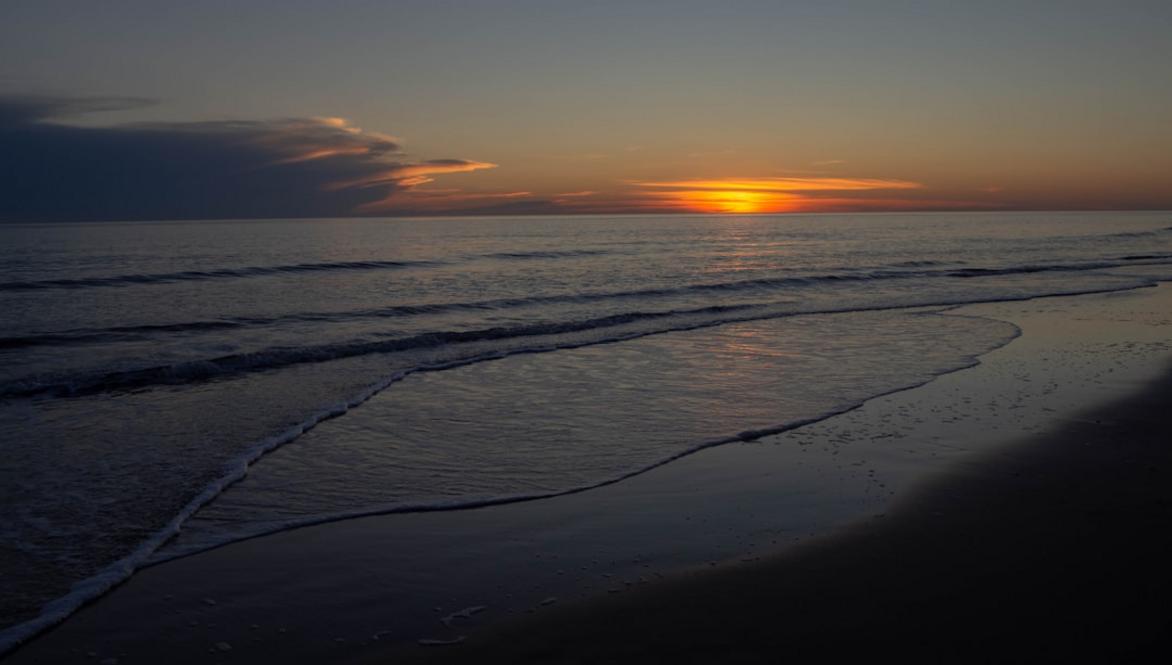
March brings a noticeable shift as summer winds down, with highs around 76°F / 24°C and lows near 65°F / 18°C. Rainfall stays elevated at 93mm across 12 days, making the weather less predictable but still warm enough for beach and city adventures. The drop in visitors from February translates to better hotel rates and less crowded venues. However, the increased rain and humidity can dampen plans if you’re not flexible. This month captures the final stretch of summer’s energy before the cooler shoulder season, so book early to capitalize on the balance of price and weather.
What this means for you
- Plan flexible itineraries allowing indoor options during rain interruptions.
- Evenings are ideal for city dining as temperatures cool but remain pleasant.
- Lower crowd levels mean quicker access to museums and cultural sites.
Events & culture
- Carnival season spills into early March, activating street parties and local festivities.
Pro tip
Reserve beachfront accommodations early; March discounts are real but limited as summer ends.
April in Uruguay: Transition Month with Mild Weather
Conditional: book this month if you want quieter city exploration with mild temperatures.
April’s landscape shifts to softer hues as autumn sets in, especially around Montevideo’s parks and plazas. Daytime highs fall to about 71°F / 22°C, with lows near 59°F / 15°C, alongside a steady 101mm of rain spread over eight days. While the beach season ends, this weather suits urban exploration and cultural immersion without summer’s intensity. Crowds thin out significantly compared to March, and prices start to ease, making this a strategic choice for cost-conscious travelers. The trap is underestimating the rain’s impact on outdoor plans; pack accordingly for a mix of sun and showers. Early April bookings secure the best mid-season rates.
What this means for you
- City walking tours are pleasant but require rain gear for sudden showers.
- Reduced crowds mean easier dining reservations and museum access.
- Daylight hours shorten, so plan outdoor activities earlier in the day.
Events & culture
- Semana Santa (Holy Week) in April leads to local closures and increased domestic travel.
Pro tip
Book Montevideo’s Teatro Solís tours midweek for smaller groups and better guide attention.
May in Uruguay: Cooler Days with Quiet Streets
Skip unless you prioritize budget travel and off-peak cultural experiences.
May cools Uruguay noticeably, with highs dropping to 64°F / 18°C and lows near 54°F / 12°C, accompanied by modest rain totals around 75mm over seven days. Montevideo’s pace slows, streets quiet, and prices fall sharply compared to April, making this a favorite for travelers seeking calm and value. Beach activities fade, but city museums and cafes become your main stage. The humidity creeps up, adding a damp chill to evenings that catch many off guard. Booking last minute can work here, but expect fewer options in beachfront hotels. This month suits those who want to avoid crowds and stretch their budgets.
What this means for you
- Indoor cultural venues become primary activities due to cooler, damp weather.
- Lower hotel rates allow upgrades to premium rooms for less.
- Public transport runs less frequently; plan for extra transit time.
Events & culture
- The grape harvest season begins inland, offering wine tours with smaller groups.
Pro tip
Reserve wine tours in Canelones early; May groups are small but fill weekends fast.
June in Uruguay: Crisp Weather and Low-Key Visits
Book this month if you want the quietest experience and lowest prices.
June ushers in winter’s chill, with daytime highs around 59°F / 15°C and lows dipping to 50°F / 10°C, alongside 85mm of rain spread over nine days. Montevideo’s city vibe is subdued, making it ideal for travelers who prefer museums, cafes, and less foot traffic. Beaches are off the table, but you’ll benefit from minimal crowds and budget-friendly rates. The trade-off is shorter days and increased humidity, which can make outdoor excursions feel damp and brisk. Booking flexibility is high, but some attractions may have reduced hours. Early June is better than late for slightly warmer weather.
What this means for you
- Focus on indoor cultural sites and Montevideo’s vibrant café scene for comfort.
- Lower prices allow for premium accommodations at mid-budget costs.
- Public spaces can feel empty; plan to socialize in recommended neighborhoods.
Pro tip
Target Mercado Agrícola de Montevideo visits on weekends for lively local food scenes despite winter.
July in Uruguay: Cool, Quiet, and Cost-Effective
Choose July for low prices and minimal crowds, accepting cooler temps and steady rain.
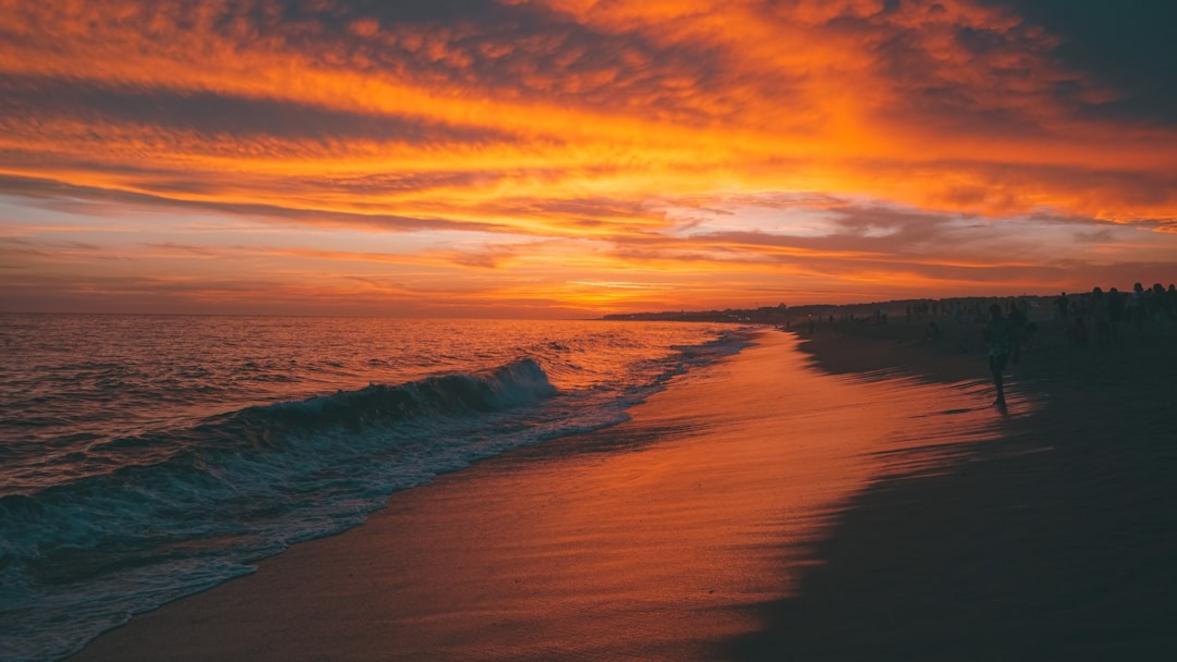
July delivers a cool 58°F / 14°C high with lows near 48°F / 9°C, paired with 74mm of rain spread over 9 days. This means beach days are rare, but city exploration in Montevideo stays comfortable with fewer tourists. Prices hit their lowest point, making it ideal for travelers prioritizing budget and calm over sun. The steady rain can disrupt outdoor plans, but indoor cultural spots and cafes fill the gap. Booking last minute is possible, but quality accommodations start filling as locals take winter breaks.
What this means for you
- Layer up for daytime city walks; beaches won’t warm up much.
- Rain gear is a must; plan indoor activities around showers.
- Accommodation deals are excellent but confirm central location for convenience.
Events & culture
- Winter festivals in Montevideo offer authentic local experiences with fewer crowds.
Pro tip
Use rainy days to dive into Montevideo’s museums and historic cafés, avoiding the chill outside.
August in Uruguay: Slight Warm-Up with Clearer Skies
August balances cool temps with more sunshine, perfect for quiet urban escapes.
Expect highs around 59°F / 15°C and lows near 48°F / 9°C, with 67mm of rain across 6 days. Sunshine increases to 267 hours, meaning more reliable daylight for city tours and casual beach strolls. Crowds remain thin and prices stay low, making this an excellent window for travelers who want to avoid peak season chaos. The drier conditions reduce disruptions, but the cool air limits beach time. Booking flexibility is high, but central lodging is key to minimize transit in cooler weather.
What this means for you
- Take advantage of longer sunny spells for outdoor markets and parks.
- Dress in layers; mornings and evenings stay chilly.
- Book centrally located hotels to maximize time spent exploring.
Pro tip
Morning light is crisp and clear, perfect for early walks in Montevideo’s historic districts.
September in Uruguay: Spring’s Early Promise
September offers mild warmth with manageable rain, easing into more active days.
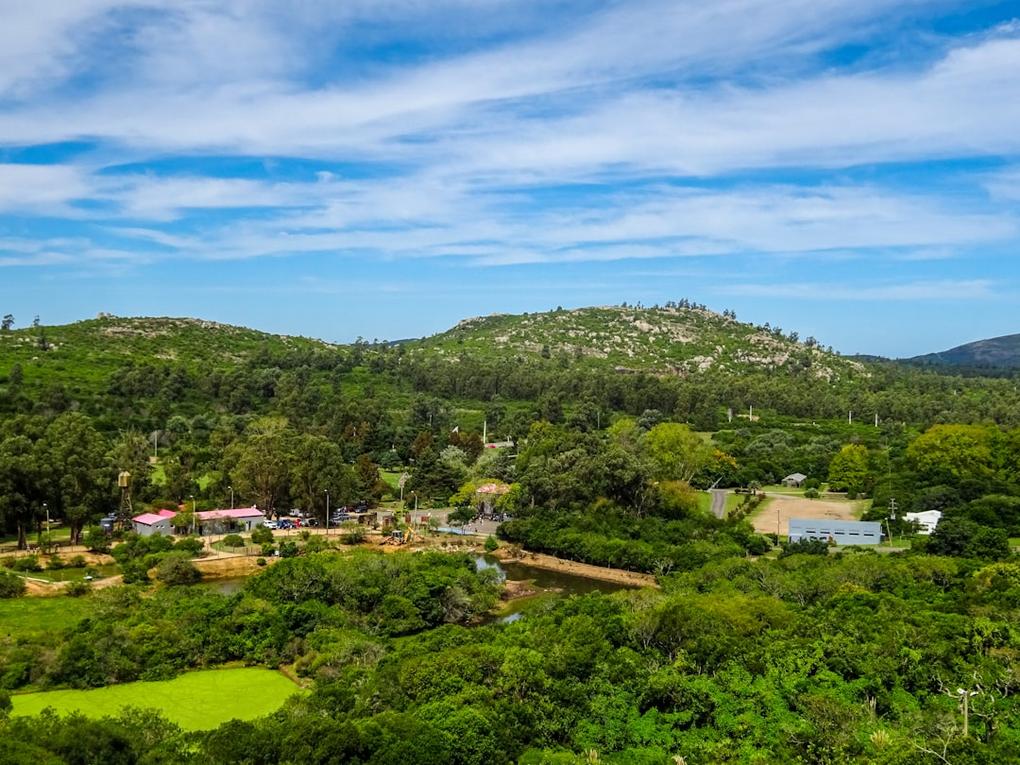
Daytime highs reach 61°F / 16°C with lows around 51°F / 11°C. Rain totals drop to 60mm over 6 days, and sunshine holds steady near 263 hours. This month starts to open opportunities for longer outdoor excursions without the summer crowds. Prices remain attractive, making it a smart choice for travelers wanting a balance of comfort and value. The weather can still be unpredictable, so plan flexible schedules and prioritize Montevideo’s urban attractions. Early bookings secure the best mid-range accommodations as interest grows.
What this means for you
- Expect cool mornings but pleasant afternoons for city walking tours.
- Keep rain gear handy but don’t let occasional showers slow your pace.
- Reserve hotels with good heating and central access to cut transit time.
Pro tip
Use midday warmth for visits to outdoor markets and waterfront cafés before cooler evenings set in.
October in Uruguay: Spring in Full Swing
October’s warmth and longer days invite more outdoor time with manageable crowds.
Temperatures climb to 66°F / 19°C highs and 55°F / 13°C lows, but rain increases to 84mm over 10 days. Sunshine peaks at 312 hours, making it one of the brighter months. This blend supports both city exploration and early beach visits, although showers can interrupt plans. Crowds start to build, nudging prices into mid-tier levels. The increased rainfall is a trade-off for more daylight and milder temperatures. Book mid-range hotels early to lock in central locations and avoid last-minute price hikes.
What this means for you
- Plan flexible outdoor activities with indoor backups for rainy spells.
- Layer clothing for fluctuating temperatures throughout the day.
- Book accommodations near Montevideo’s core to maximize sightseeing time.
Events & culture
- Spring festivals and cultural events begin, adding local color to your visit.
Pro tip
Catch early morning light at Montevideo’s Rambla before crowds swell in the afternoon.
November in Uruguay: Warmth Returns with Growing Buzz
November balances warm days and moderate crowds, ideal for combining beach and city.
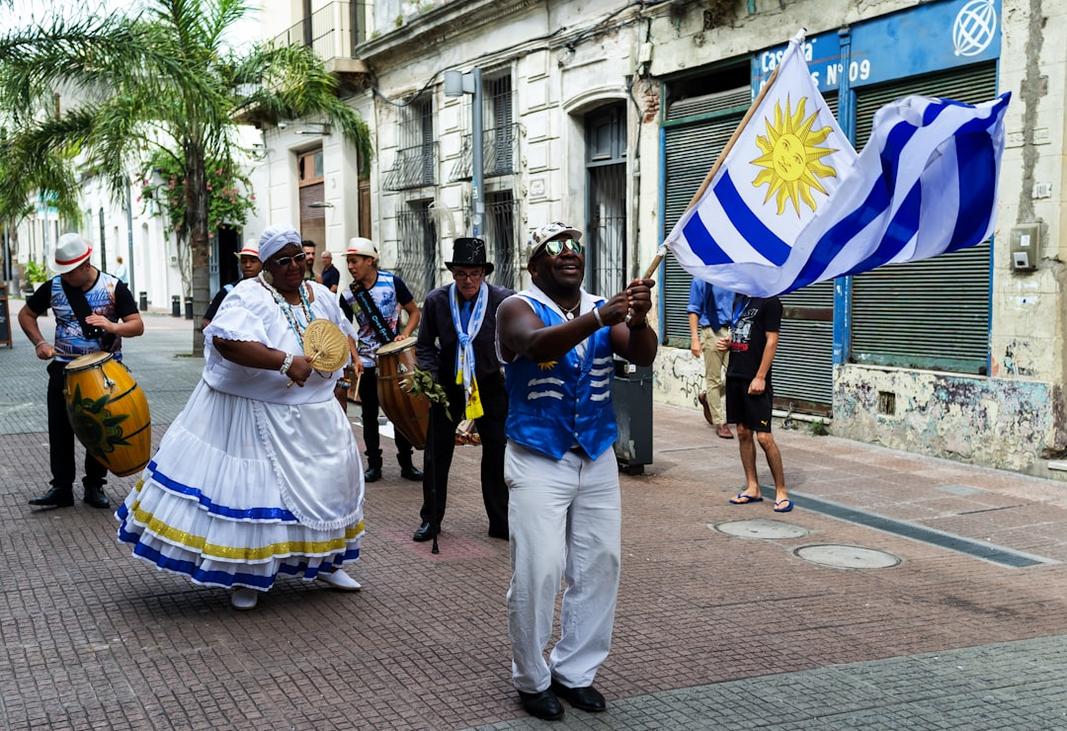
Highs hit 73°F / 23°C with lows near 60°F / 16°C, and rain drops to 65mm over 6 days. Sunshine climbs to 341 hours, offering long, bright days for beach lounging and urban adventures alike. Crowds swell, pushing prices to mid-range but still below peak summer. This month is a sweet spot for travelers wanting warmth without the December-January rush. Booking early is smart as accommodations start filling with both locals and international visitors. Rain is less frequent but can still disrupt outdoor plans.
What this means for you
- Reserve beachfront and city-center hotels early to avoid higher rates.
- Use sunny afternoons for beach time; keep an eye on weather forecasts.
- Book tables in popular restaurants ahead to avoid waits.
Events & culture
- Local music and food festivals pick up, energizing Montevideo’s nightlife.
Pro tip
Start days early with a walk through Ciudad Vieja before crowds arrive at Mercado del Puerto.
December in Uruguay: Warm, Busy, and Vibrant
December offers reliable warmth and energy but demands early planning for crowds and prices.
Expect highs around 77°F / 25°C and lows near 64°F / 18°C, with 61mm of rain over 8 days. Sunshine peaks at 382 hours, maximizing daylight for beach and city activities. This is peak season, with crowds and prices at their highest, especially in Montevideo’s prime areas. Rain can interrupt beach plans, so schedule indoor alternatives. Booking well in advance is non-negotiable to secure quality accommodations and avoid premium last-minute rates. The city buzzes with locals and tourists, making it lively but busy.
What this means for you
- Book centrally located hotels months ahead to secure availability and better rates.
- Plan beach sessions in the morning to avoid afternoon showers.
- Make restaurant reservations early to navigate busy dining scenes.
Events & culture
- Holiday markets and summer festivals create a festive atmosphere across Montevideo.
Pro tip
Beat the heat and crowds by exploring Ciudad Vieja early, then retreat to shaded markets by noon.
What Makes Uruguay’s Climate Different
- The southern coast, including Punta del Este, experiences stronger Atlantic winds year-round, making beach conditions windier than inland Montevideo or Colonia.
- Uruguay’s temperate climate means it lacks a distinct wet or dry season; rain is spread fairly evenly, so timing trips around ‘dry season’ won’t optimize weather.
- Summer crowds concentrate heavily along the coast from December to February, while inland regions like Salto see steadier, less seasonal tourism flows.
- National holidays like Carnaval in late February cause urban price spikes and accommodation shortages in Montevideo, impacting travel costs and availability.
- The Río de la Plata estuary affects humidity and temperature moderation near Montevideo, producing milder winters compared to more continental inland areas.
Who Should Go When
The Coastal Sun Chaser
December through February for warm beach days and vibrant coastal nightlife.
- December offers 75-77°F / 24-25°C with long sunshine hours ideal for Punta del Este’s beaches and upscale seaside dining.
- January weekends in Punta del Este require early bookings; midweek stays reduce costs by up to 40%.
- February hosts Carnaval in Montevideo: plan city excursions early in the month to avoid crowd surges.
- Solo female travelers will find well-patrolled beach areas and lively social scenes, especially after sunset.
The City Culture Explorer
March and November when Montevideo’s weather is mild with fewer tourists and better hotel deals.
- March temperatures average 73°F / 23°C with manageable rain, perfect for museums and historic districts without peak-season crowds.
- November offers 73°F / 23°C days and longer daylight for exploring Montevideo’s Mercado del Puerto and the arts scene comfortably.
- Hotel prices in Montevideo drop 25-35% compared to peak summer months, easing mid-range travelers’ budgets. See the 3-day Uruguay itinerary for a shoulder-season route.
- Solo female travelers benefit from steady urban safety and less congested public transport during these shoulder months.
The Off-Season Budget Voyager
June through August for the lowest prices and quiet towns, despite cooler temperatures.
- August lows of 58°F / 14°C and only 6 rain days create crisp city walks and peaceful coastal views without crowds.
- Accommodation costs can be 50% lower than peak summer, especially in Montevideo and Colonia del Sacramento.
- Cultural events slow, but local markets and Uruguay’s food and drinks scene offer authentic, unhurried experiences.
- Solo travelers will appreciate quieter streets and more personalized service, though beach swimming is limited by cooler water. Check the Uruguay packing list for winter layering.
Insider Tip
Book Montevideo accommodations at least 45 days before late December to avoid a 30% price surge from holiday demand. Punta del Este’s peak weekend rates in January can double weekday prices, so midweek stays offer significant savings without sacrificing beach access.
Frequently Asked Questions
1Are Montevideo and Punta del Este’s beach seasons aligned?
No. Punta del Este’s beach season peaks from December to February with temperatures around 77°F / 25°C, while Montevideo’s beaches warm up slightly earlier and cool down faster by March, affecting water activities and crowd levels.
2How much can I save by traveling to Uruguay in August instead of January?
Traveling in August can reduce accommodation costs by up to 50% compared to January, especially in Montevideo and coastal resorts, making it the most budget-friendly month despite cooler temperatures around 58°F / 14°C.
3Which month poses the highest risk of weather disruption in Uruguay?
December through February have the highest rain totals, averaging 61-82mm monthly, but Uruguay’s temperate climate means weather disruptions are minimal and rarely affect travel plans.
4Does climate vary significantly between Uruguay’s coast and inland areas?
Yes. Coastal areas like Punta del Este experience stronger winds and milder winters due to Atlantic influence, while inland cities such as Salto have slightly more temperature variation and less wind year-round.
5When do hotel prices peak in Uruguay, and why?
Hotel prices peak in December and January due to summer holidays and beach season demand, with rates rising 30-50% compared to shoulder months, driven by both domestic and international tourists.
6Is Carnaval a good time to visit Montevideo for solo travelers?
Carnaval in late February attracts large crowds and raises prices by 20-30%, but solo female travelers will find well-organized events and increased security, making it a culturally rich but busy period.